核心定位
OpenAI 新一代 ChatGPT 图像生成模型,强调世界知识、指令遵循、复杂细节和密集文字能力。
它面向可直接用于工作的视觉任务:海报、信息图、UI 草图、漫画分镜、品牌物料和多语言排版。重点不只是更好看,而是更准确、更可控、更能处理复杂视觉结构。
OpenAI 新一代 ChatGPT 图像生成模型,强调世界知识、指令遵循、复杂细节和密集文字能力。
在生成前进行规划、推理和工具使用,可结合实时网页搜索,把粗略需求转成更完整的视觉方案。
ChatGPT Images 2.0 面向所有 ChatGPT 计划开放;Images with thinking 面向 Plus、Pro、Business,Enterprise 和 Edu 后续开放。
信息图、海报、菜单、产品图、UI、杂志版式、多格漫画、角色设定表、地图和教育可视化。
ChatGPT Images 2.0 不是单纯追求“漂亮图片”的模型,而是更偏向实用视觉输出:能理解复杂要求、组织版面、生成可读文字、处理多语言,并在编辑时尽量保留原图的关键内容。
说明:页面采用 OpenAI 官方公告、帮助中心和系统卡作为事实基础;非官方排行榜、媒体评价和 API 命名细节未作为强断言写入。
适合生成含标题、注释、菜单、海报、信息图和界面文字的图片,尤其减少旧模型常见的错字和变形。
官方示例强调跨语言和多文字系统能力,适合中文、日文、韩文等本地化设计场景。
更适合多栏版式、分镜漫画、图表、流程说明、地图、角色设定表等需要结构组织的画面。
可上传图片进行编辑,支持添加、移除、替换局部内容,也能按需求生成透明背景素材。
ChatGPT Images 支持通过界面或文本指定不同宽高比,适合横幅、竖版海报、移动壁纸和宽屏信息图。
Thinking 模式可以先理解目标、整理信息,再生成视觉结果,适合研究加设计的复合任务。
Thinking 是这次升级最重要的变化。它不是直接把 Prompt 送去画图,而是先规划画面、补全信息、使用工具,再生成结果。对开放式、需要准确内容和版式的任务更有价值。
在 ChatGPT 网页、iOS 和 Android 中使用。可以直接在对话中描述图片,也可以从 Images 入口创建和管理图片。
基础 Images 2.0 面向所有计划开放;Thinking 能力根据官方帮助中心说明面向 Plus、Pro、Business,Enterprise 和 Edu 后续开放。
OpenAI API 图像能力通过 Images API 和 Responses API 提供生成与编辑。具体模型名称、限额和价格应以平台文档与账户控制台为准。
开发者提示:如果你要写 API 教程,建议实时查阅 OpenAI 平台文档。当前官方文档页面仍可能按账户、地区或发布时间逐步更新。
OpenAI 在系统卡中说明,ChatGPT Images 2.0 采用多层安全栈:请求前的文本分类器、输入图像检查、生成后的输出审核,以及面向高风险内容的额外评估。模型能力更强也意味着更高的误导性图像风险,因此安全策略是产品设计的一部分。
预留不同尺寸的图片位,用来展示海报、UI、信息图、漫画等真实生成案例。
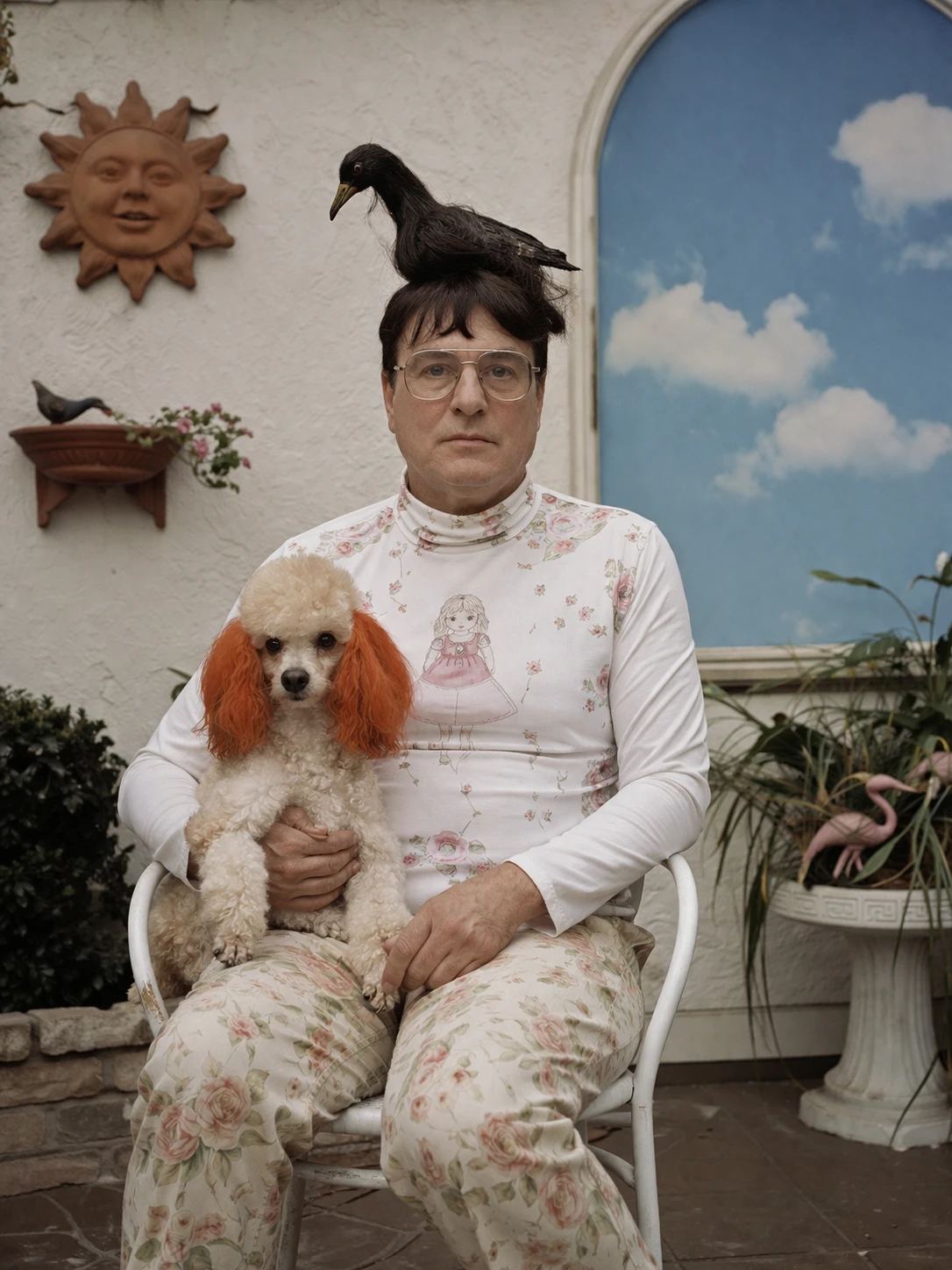
The portraits are taken outdoors, indoors, in specific, intimate, suburban settings. I don’t want to replicate this; I want to maintain the same photographic style and realism, with shots taken using view cameras with colour film and medium-format cameras with colour film, but pushing the strangeness of the subjects and locations further. Not so much in a poor and grubby way, but more in the direction of kitsch and the middle classes, yet with elements that could not exist in reality, either aesthetically or physically.
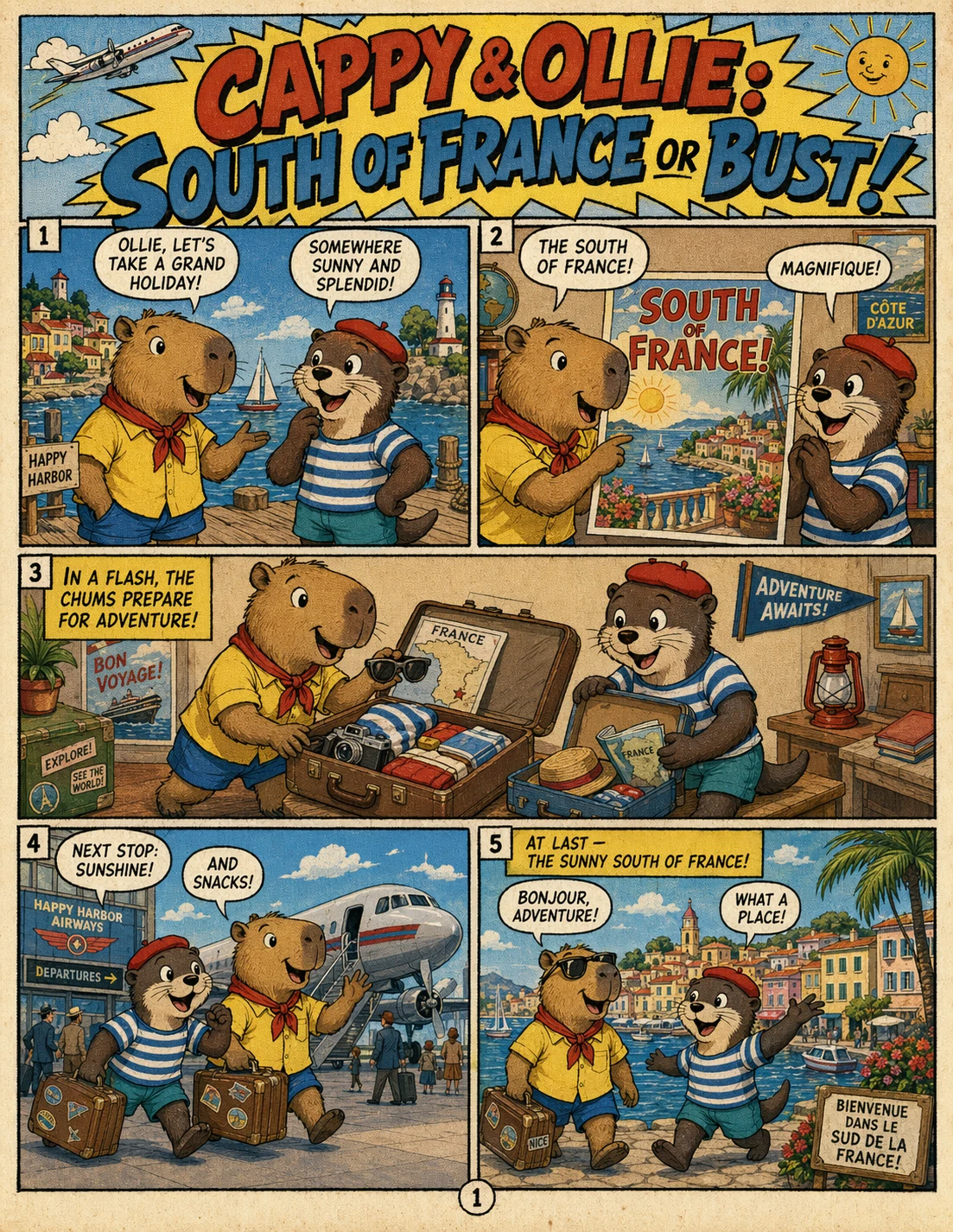
A charming vintage comic page follows Spud & Garlic as they set off for Provence, using expressive retro panels, playful food-character storytelling, and warm travel-adventure energy to turn a simple vacation into a whimsical culinary journey.
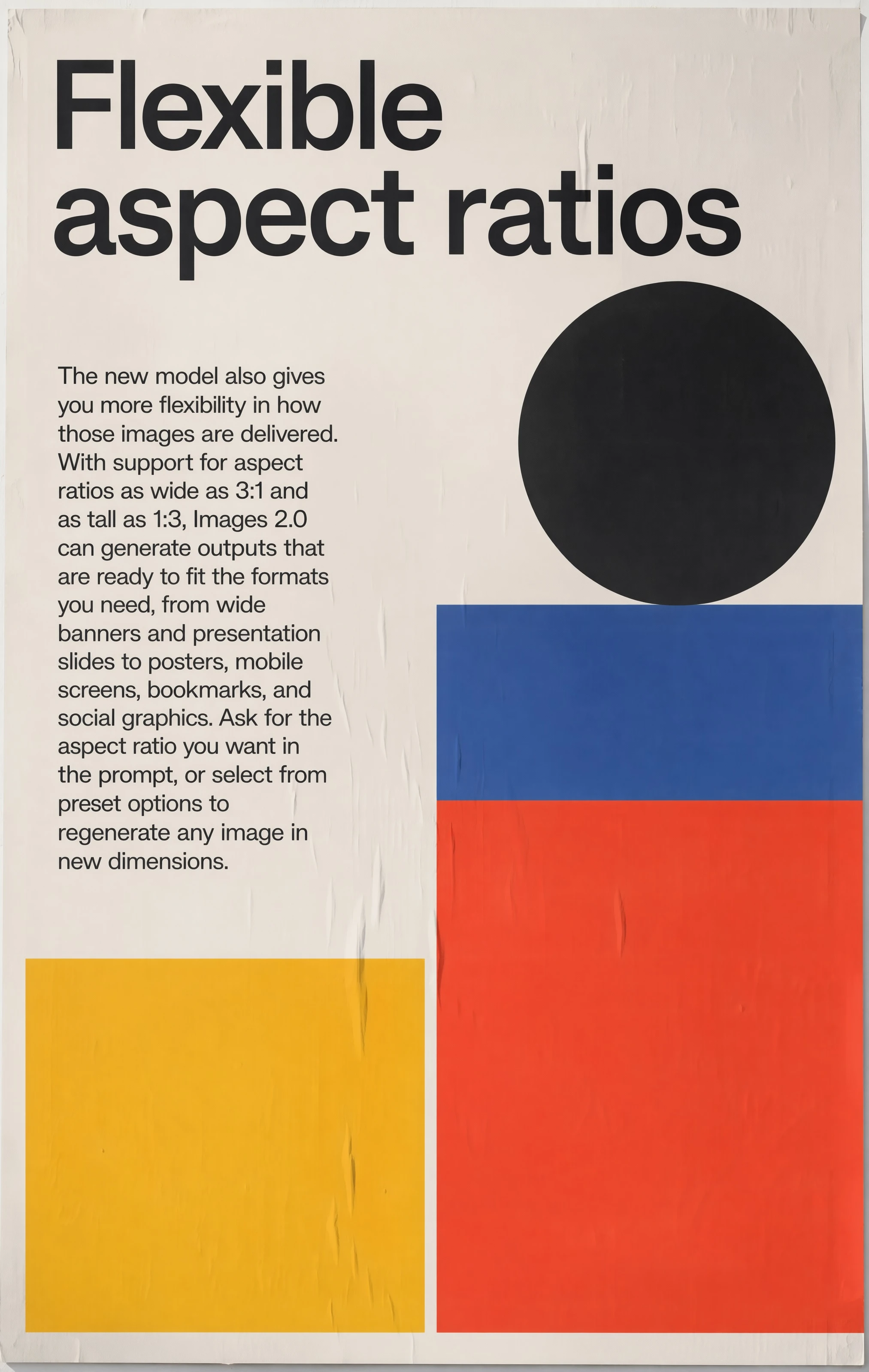
A Bauhaus-inspired poster uses bold typography and geometric forms to highlight flexible aspect ratios, visually communicating the model’s ability to generate images in a wide range of formats from banners to mobile screens.
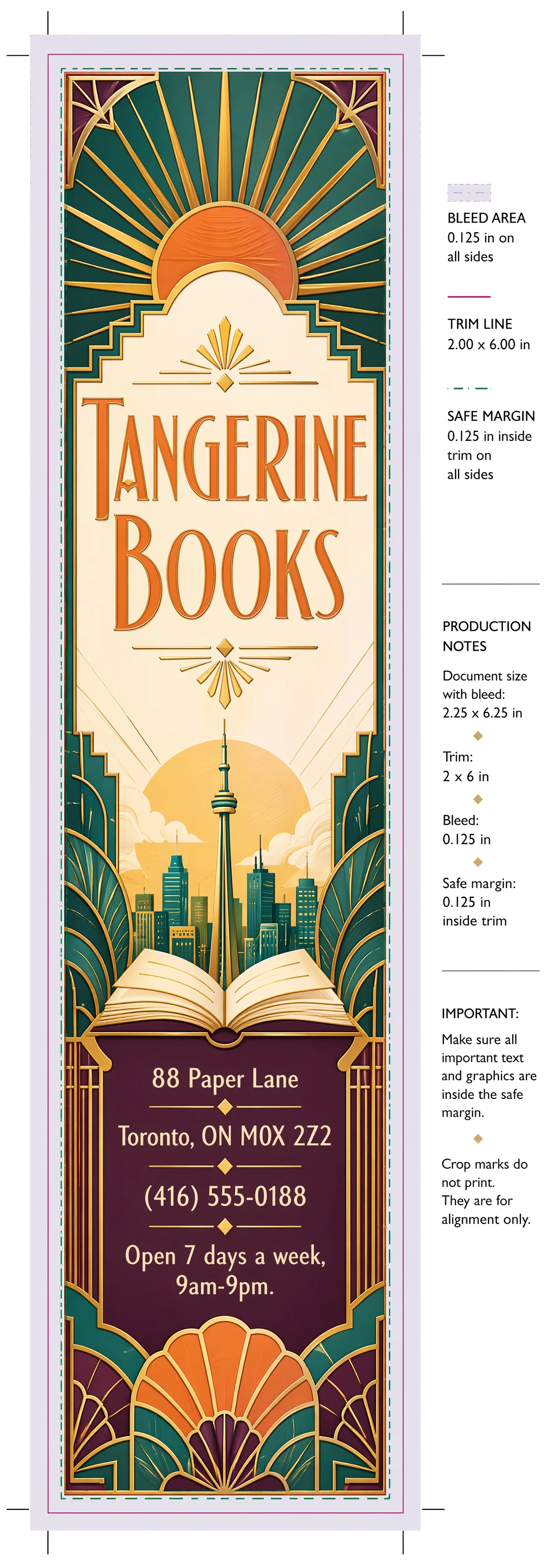
A print-ready Art Deco bookmark design for Tangerine Books features ornate gold geometric framing, sunrise motifs, a Toronto skyline rising from an open book, and production guides including bleed, trim, and safe margin lines for professional printing.
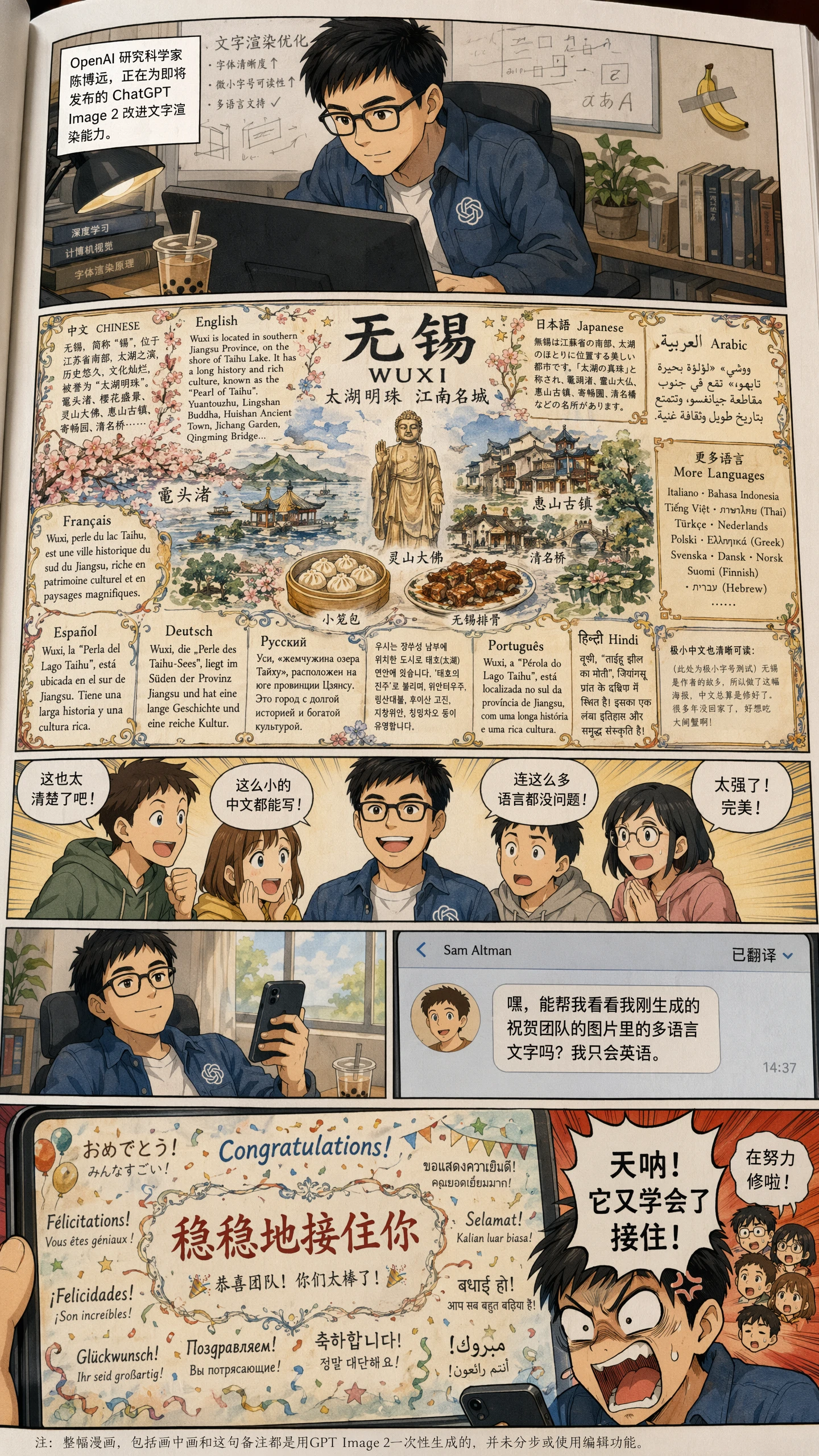
A manga-style comic page shows an OpenAI researcher demonstrating multilingual text rendering improvements, featuring detailed illustrated panels, translated city posters, smartphone chats, and celebratory messages in many languages.
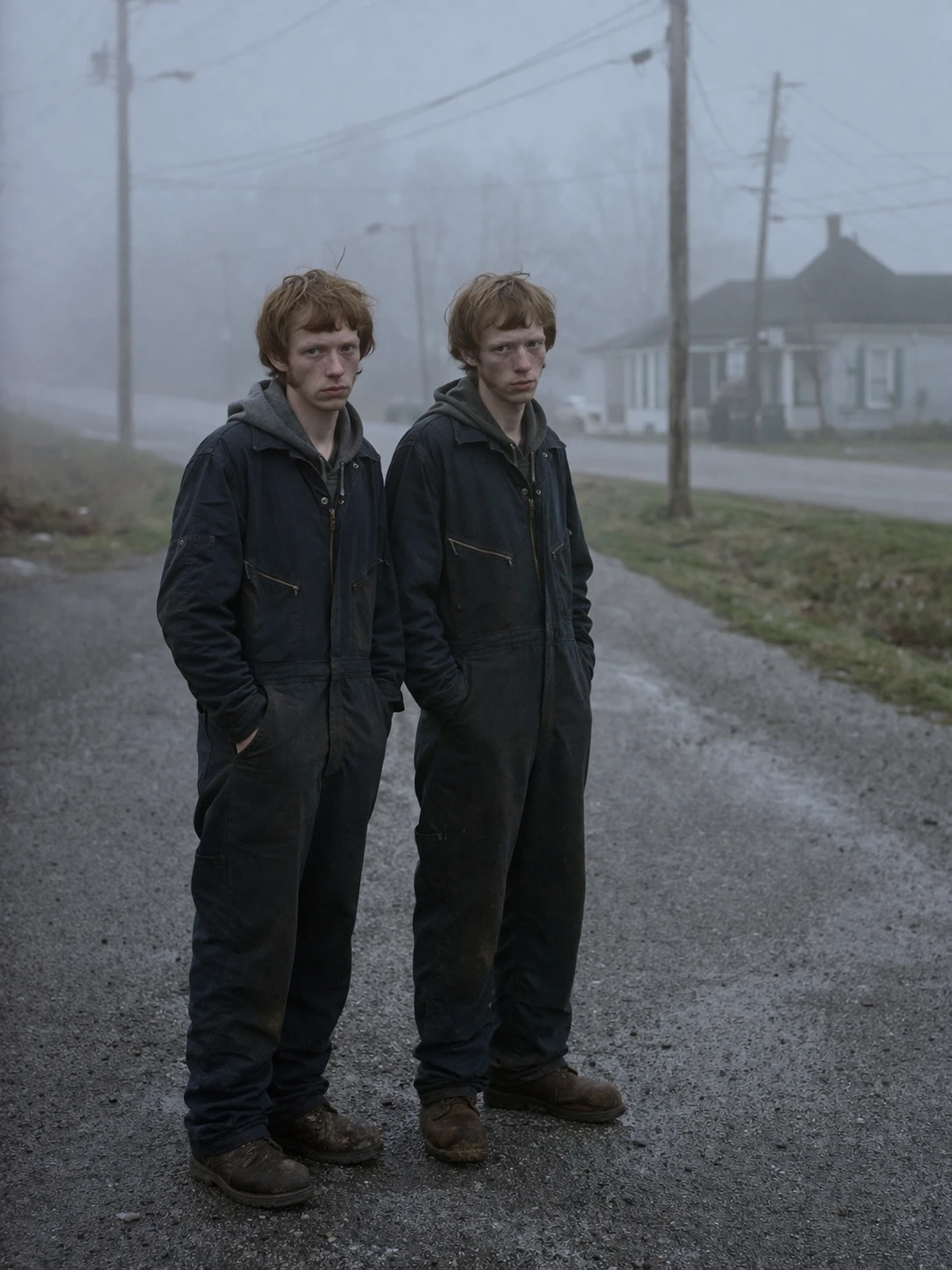
Create a photographic image with beautiful depth of field, as if it were shot on a medium-format analogue camera using colour film, 85 mm f/4. It should be a distinctive portrait of twins—realistic, authentic, imperfect, and natural—set in the middle of a deserted, misty road in the heart of America. Aspect ratio 3:4.
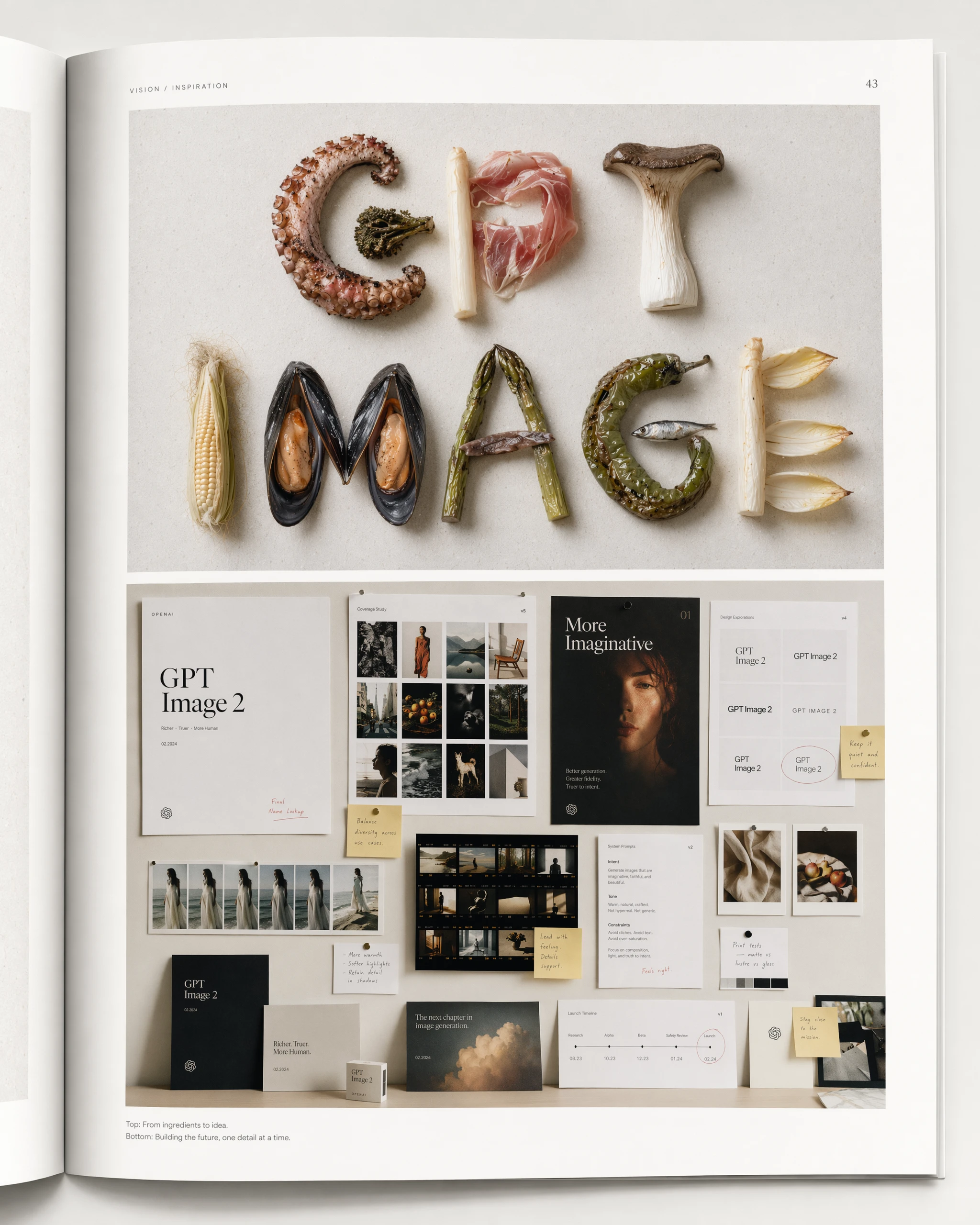
A clean editorial magazine spread features the phrase "GPT IMAGE" spelled from arranged food ingredients above a mood board of branding concepts, design mockups, photography, notes, and creative direction materials for a product launch.
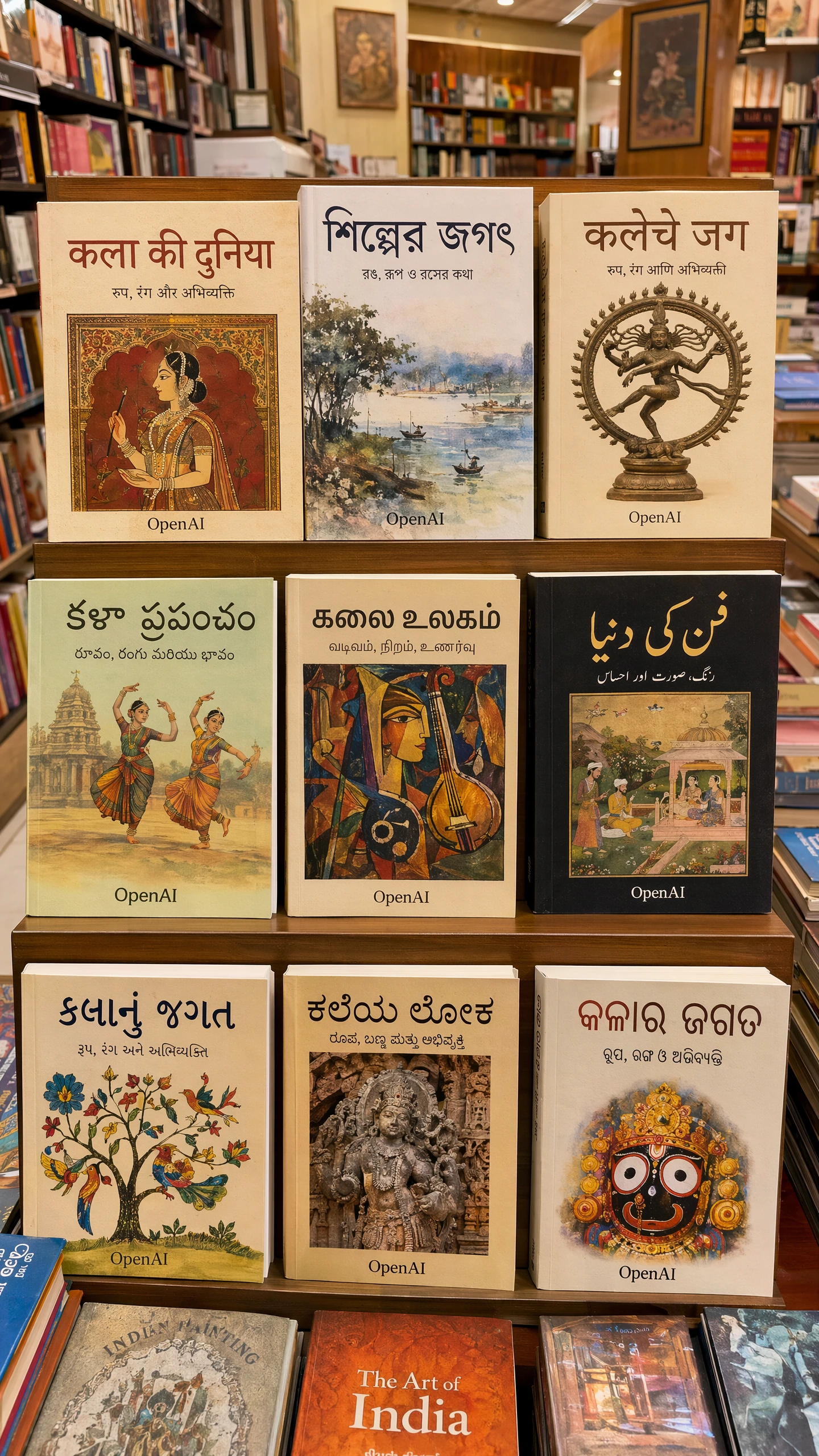
A bookstore display features a curated collection of art books by OpenAI with covers written in multiple South Asian languages, each showcasing regional artwork, sculpture, dance, and cultural imagery on neatly arranged shelves.
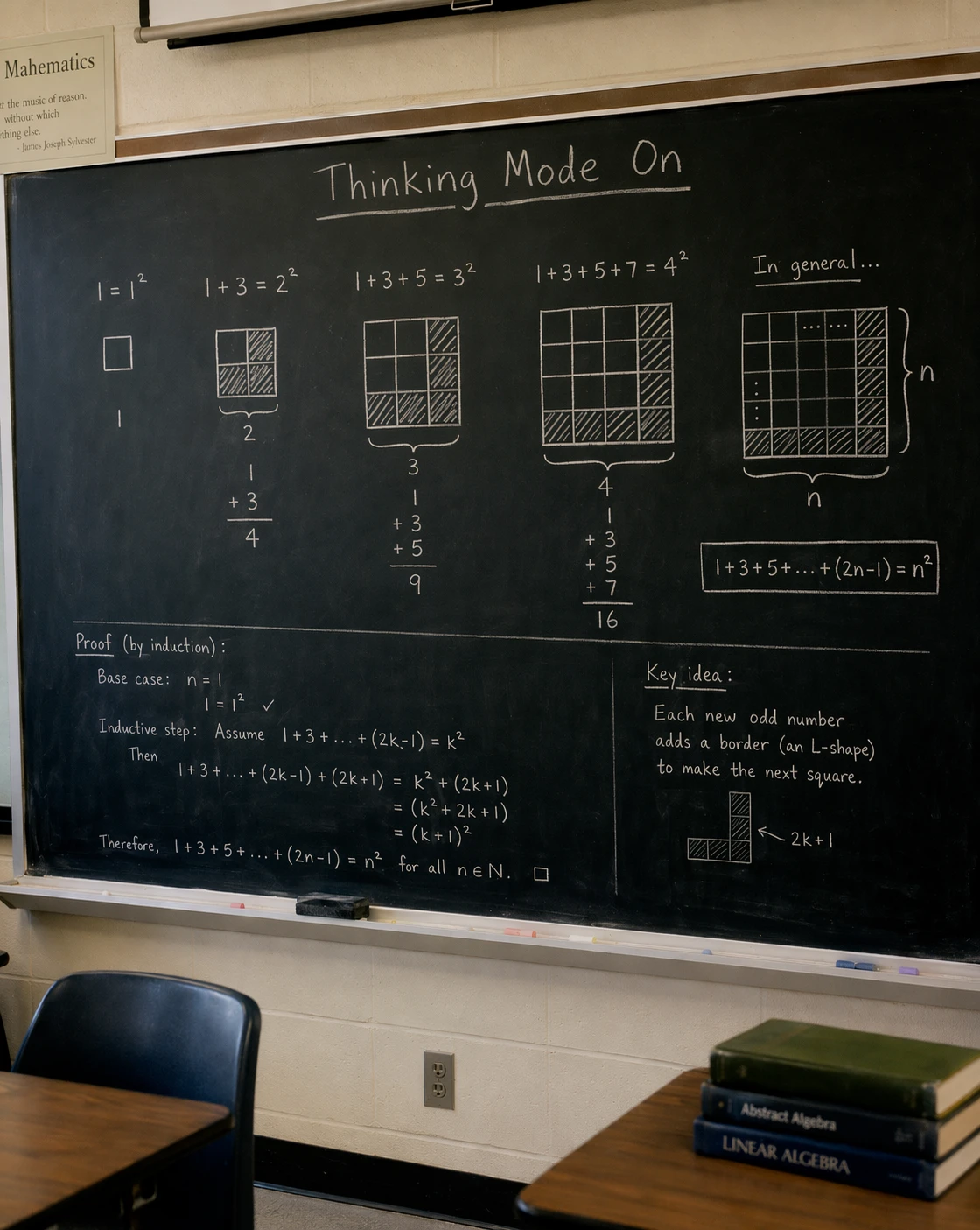
A scene turns a classroom blackboard into a visual math proof—showing how the sum of consecutive odd numbers forms perfect squares. It demonstrates structured reasoning, symbolic accuracy, and pedagogical layout design in a single image.
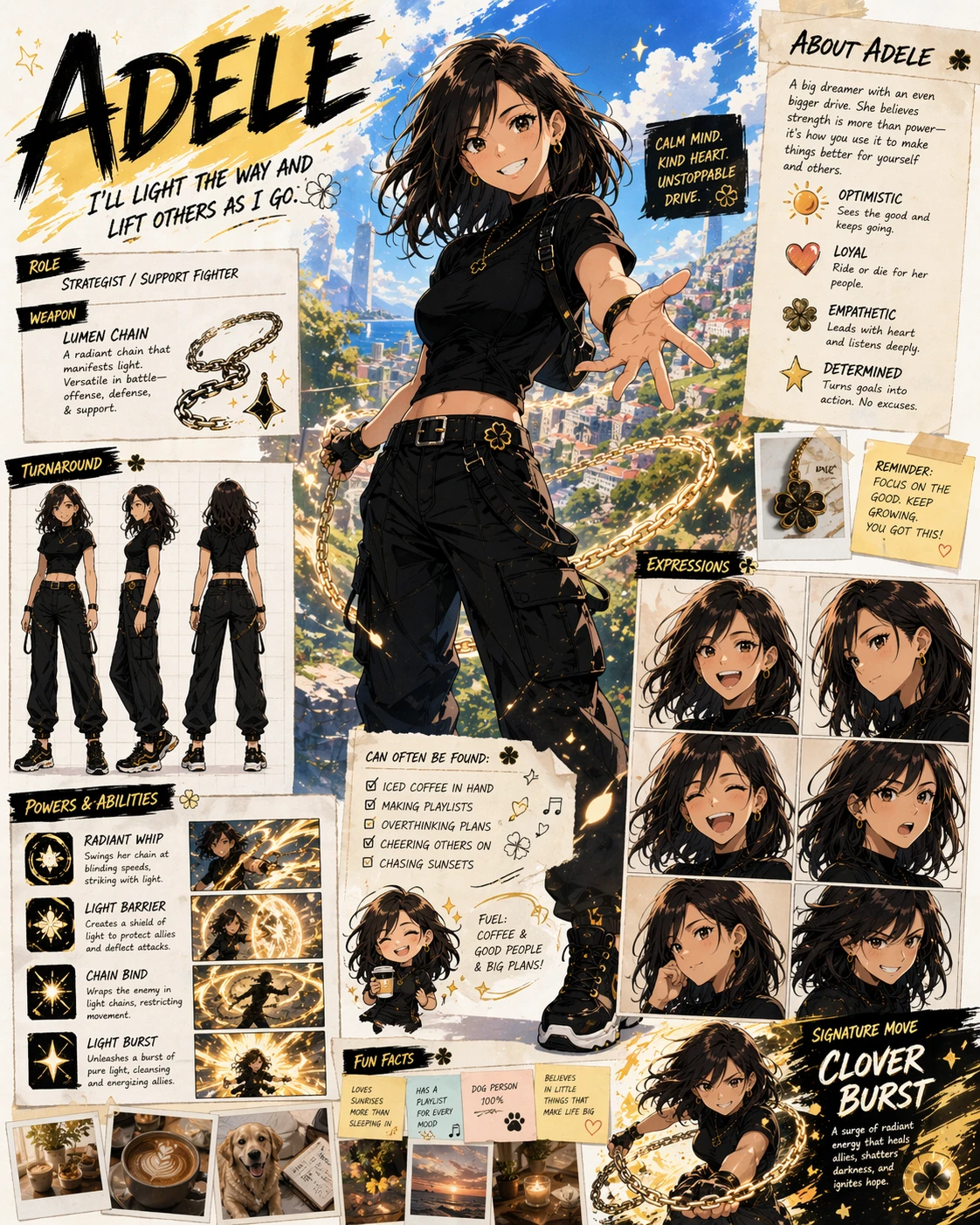
An anime-style character reference sheet introduces Adele, a cheerful support-fighter heroine with a glowing chain weapon, showing her role, abilities, expressions, turnaround poses, personality notes, and playful lifestyle details in a vibrant scrapbook layout.
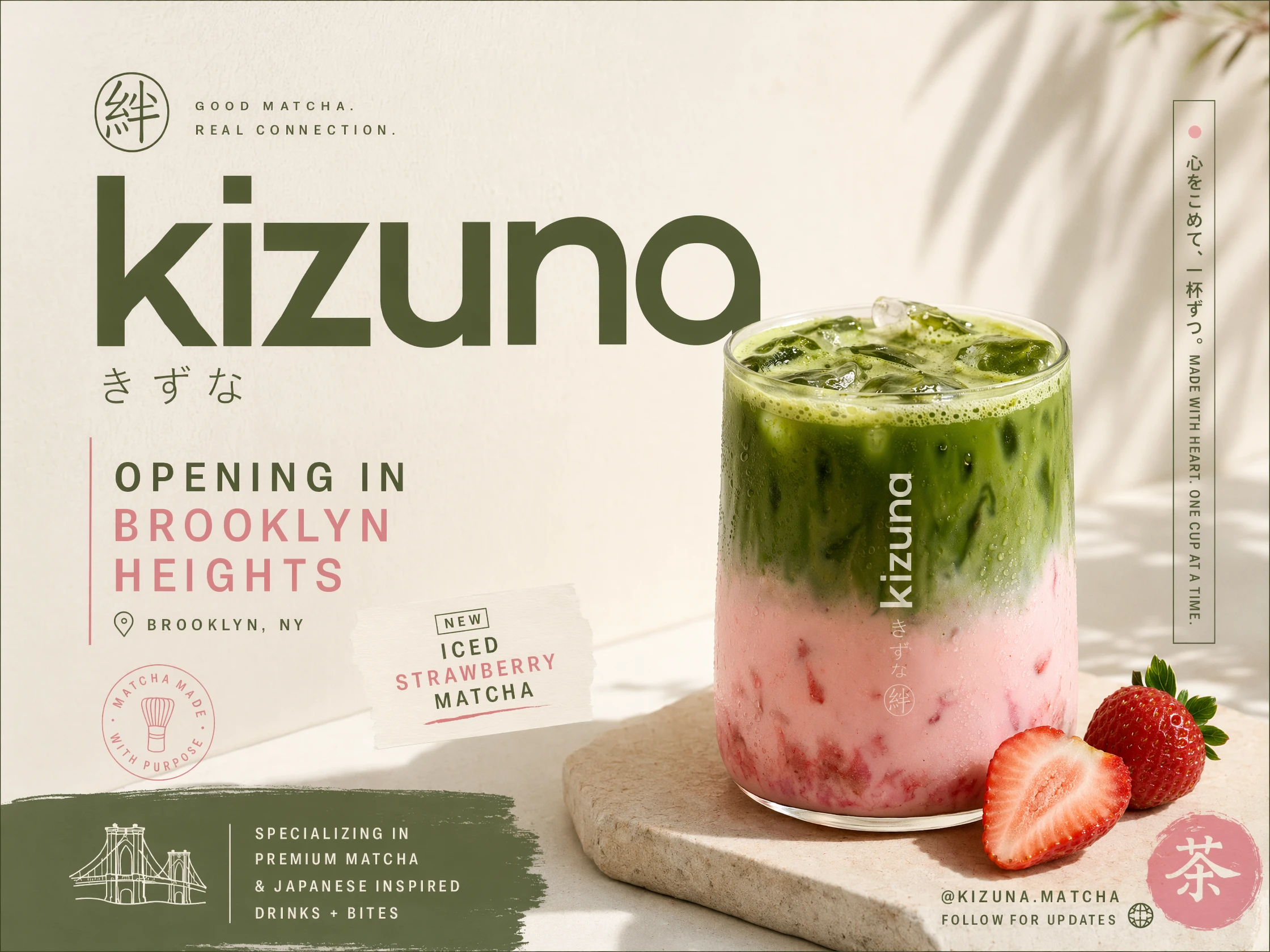
A polished café launch poster introduces Kizuna Matcha in Brooklyn Heights, blending modern Japanese-inspired branding, soft editorial typography, and lifestyle product photography to spotlight a signature iced strawberry matcha drink and premium tea experience.
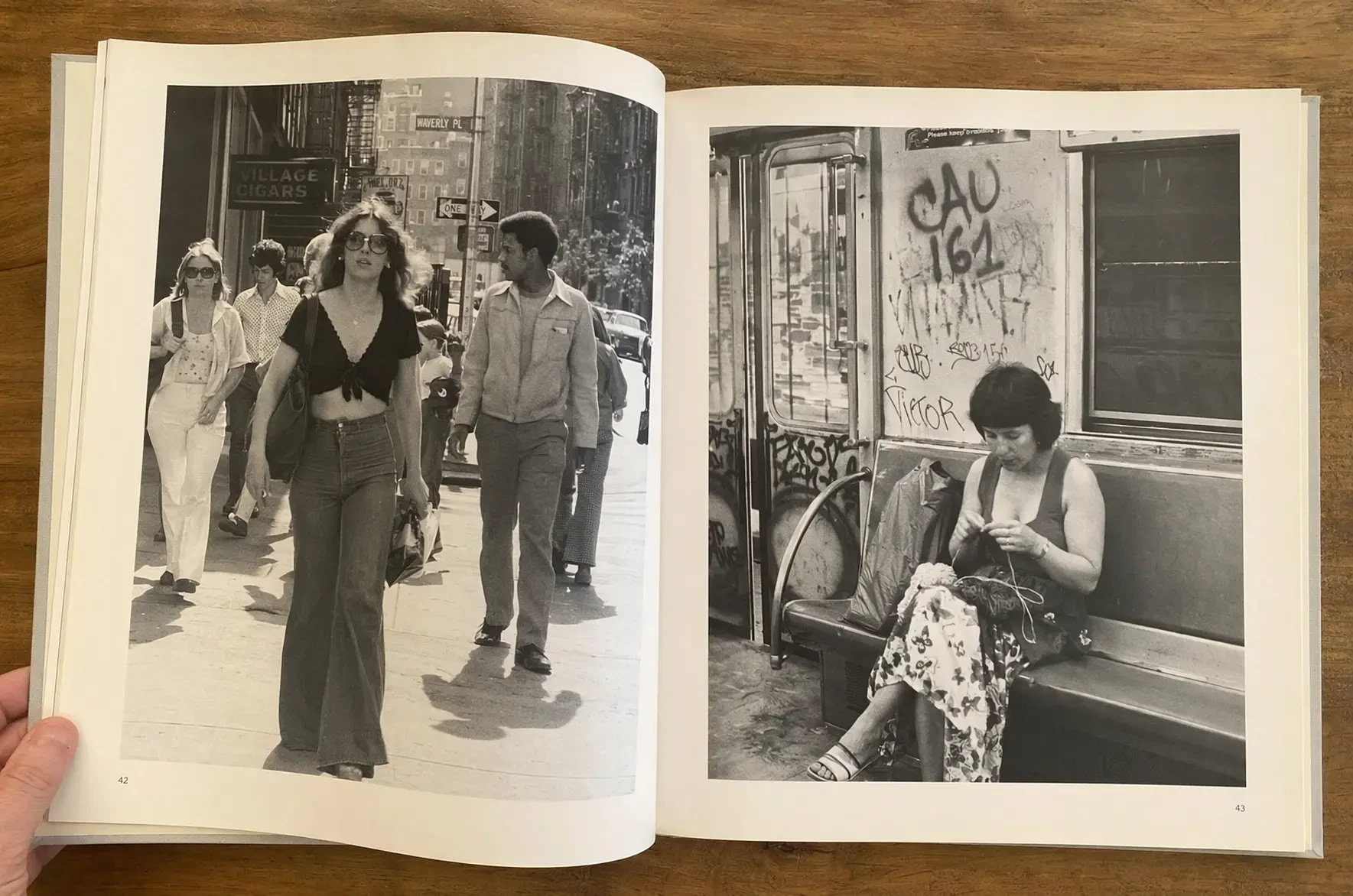
35mm photograph of a book of 1970s NYC candid street photographs
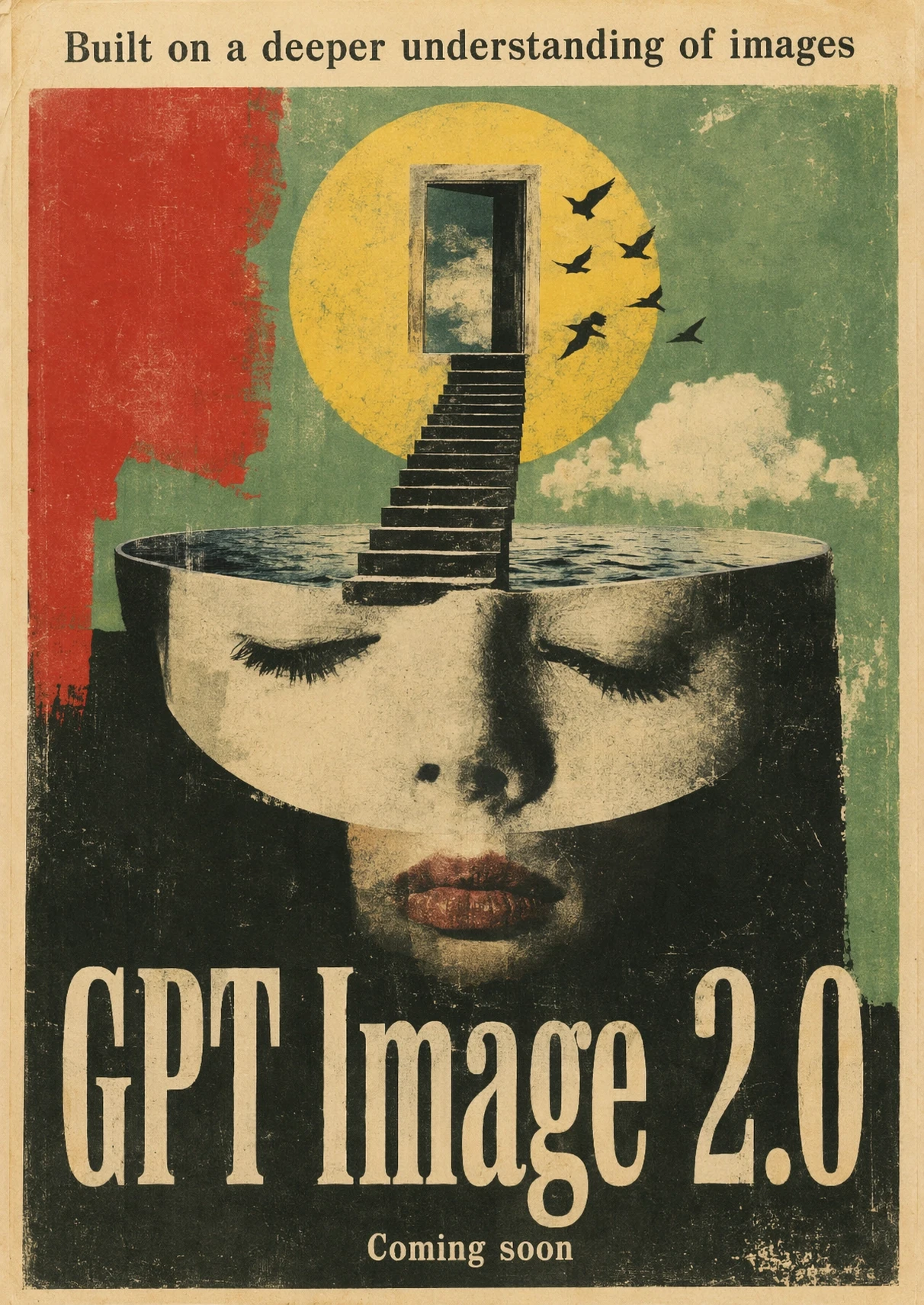
A surrealist retro poster features a contemplative face transformed into an open mindscape of water, stairs, and a doorway beneath a sun, symbolizing deeper image understanding, imagination, and visual reasoning.
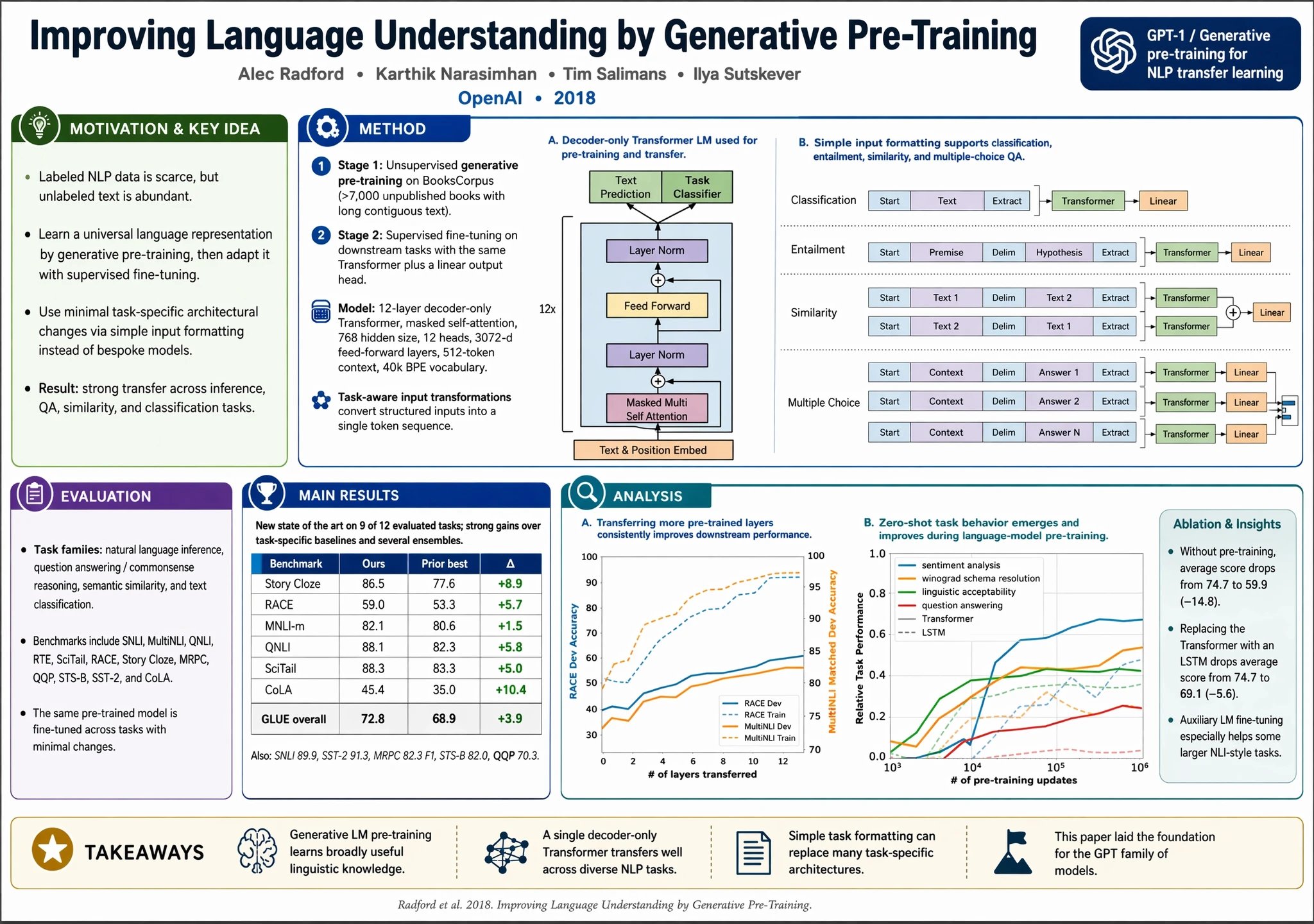
A polished academic poster reimagines the original GPT-1 paper as a clean conference-style infographic—translating dense research into accessible sections on motivation, method, results, and impact, with modern data-visualization clarity and publication-ready design.
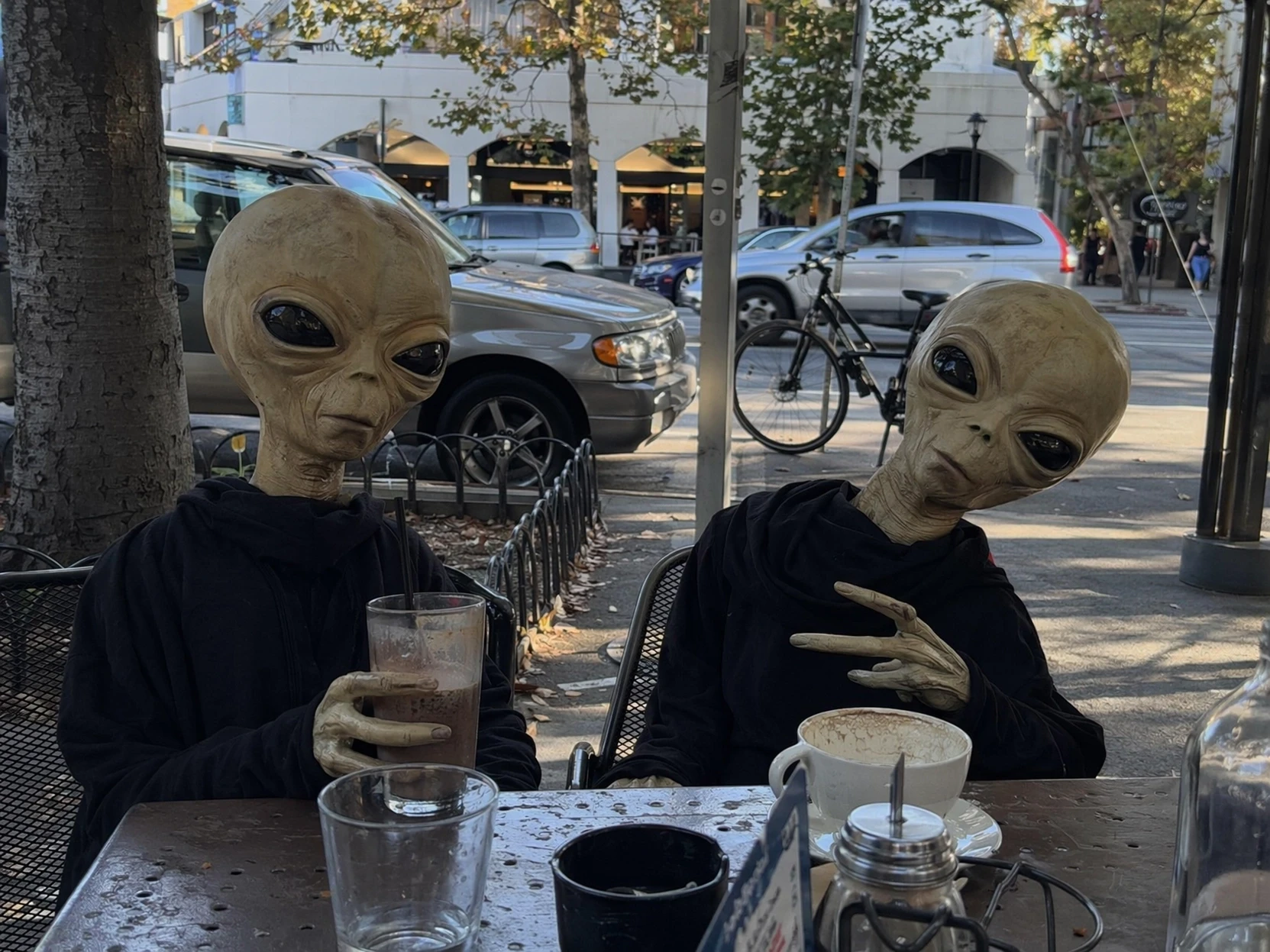
A photorealistic iPhone photo of two aliens sitting at an outdoor cafe in late afternoon, taken casually by someone at the table. Half-finished drinks, uneven sunlight, relaxed posture, slightly imperfect framing, and the natural realism of a real everyday phone snapshot.
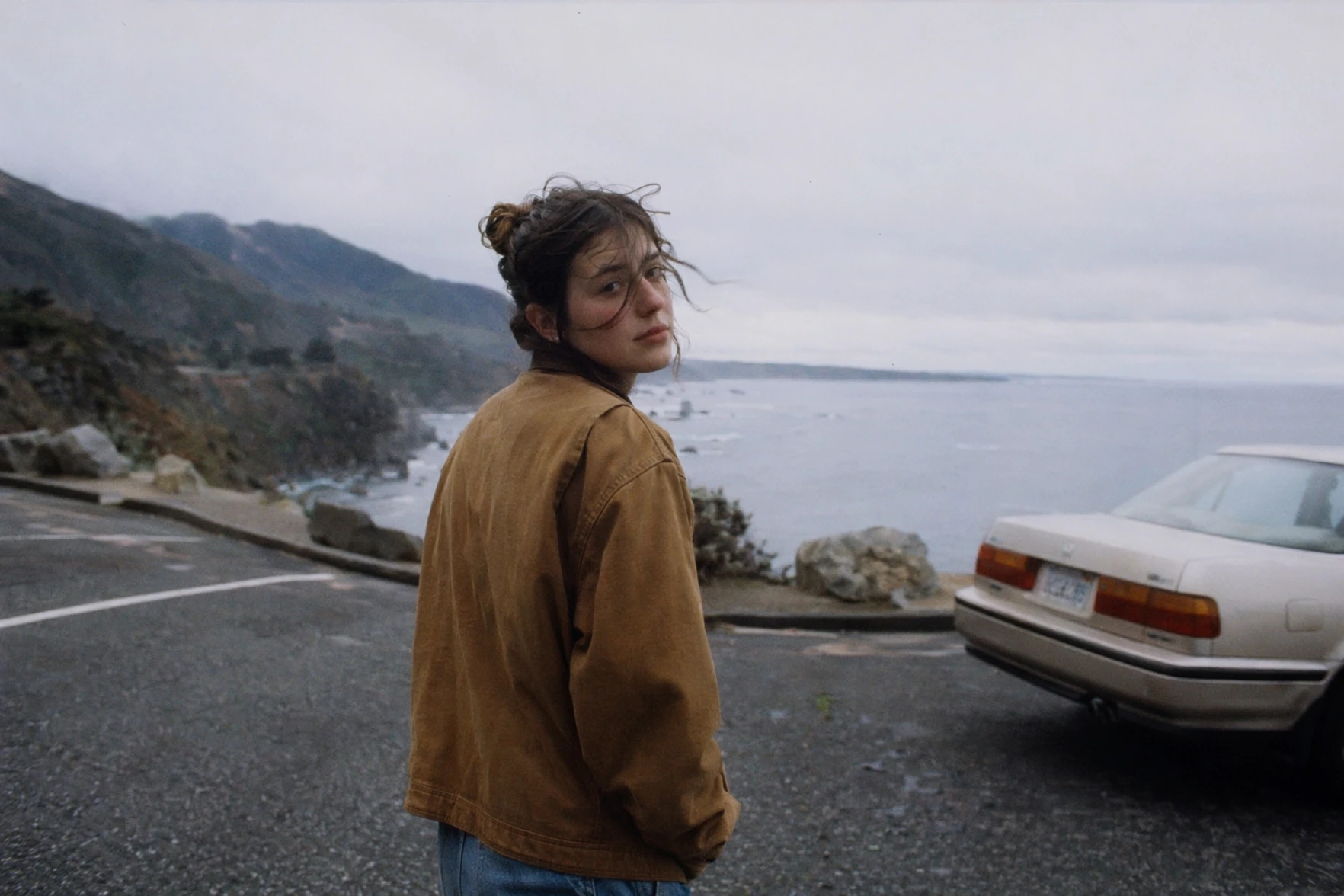
A cinematic candid portrait shows a person in a brown jacket looking back toward the camera at a coastal roadside overlook, with misty cliffs, ocean water, and a parked car under an overcast sky.
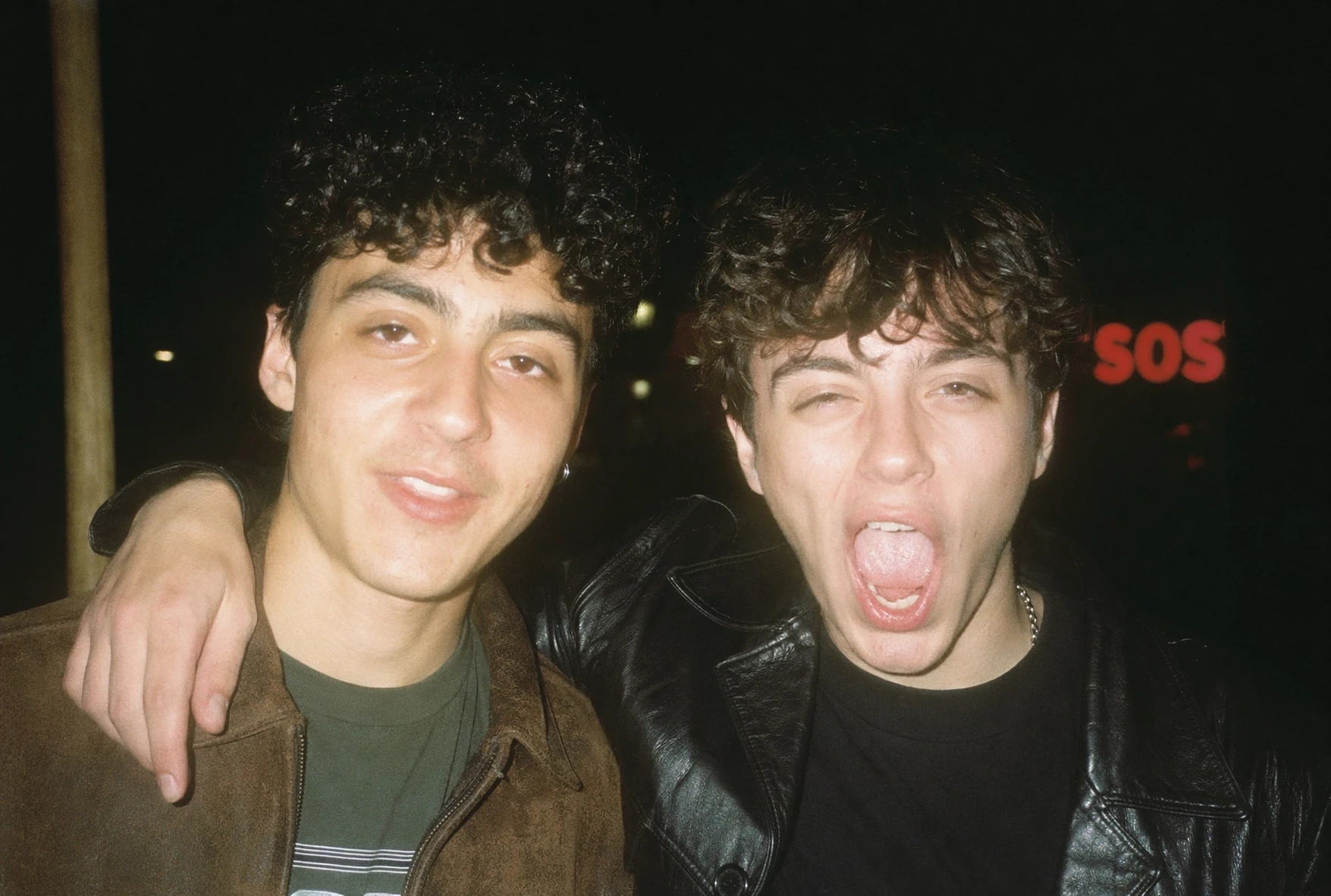
A candid nighttime flash photo shows two friends posing closely together on a city street, one smiling at the camera while the other shouts playfully, creating a spontaneous film-camera party snapshot.
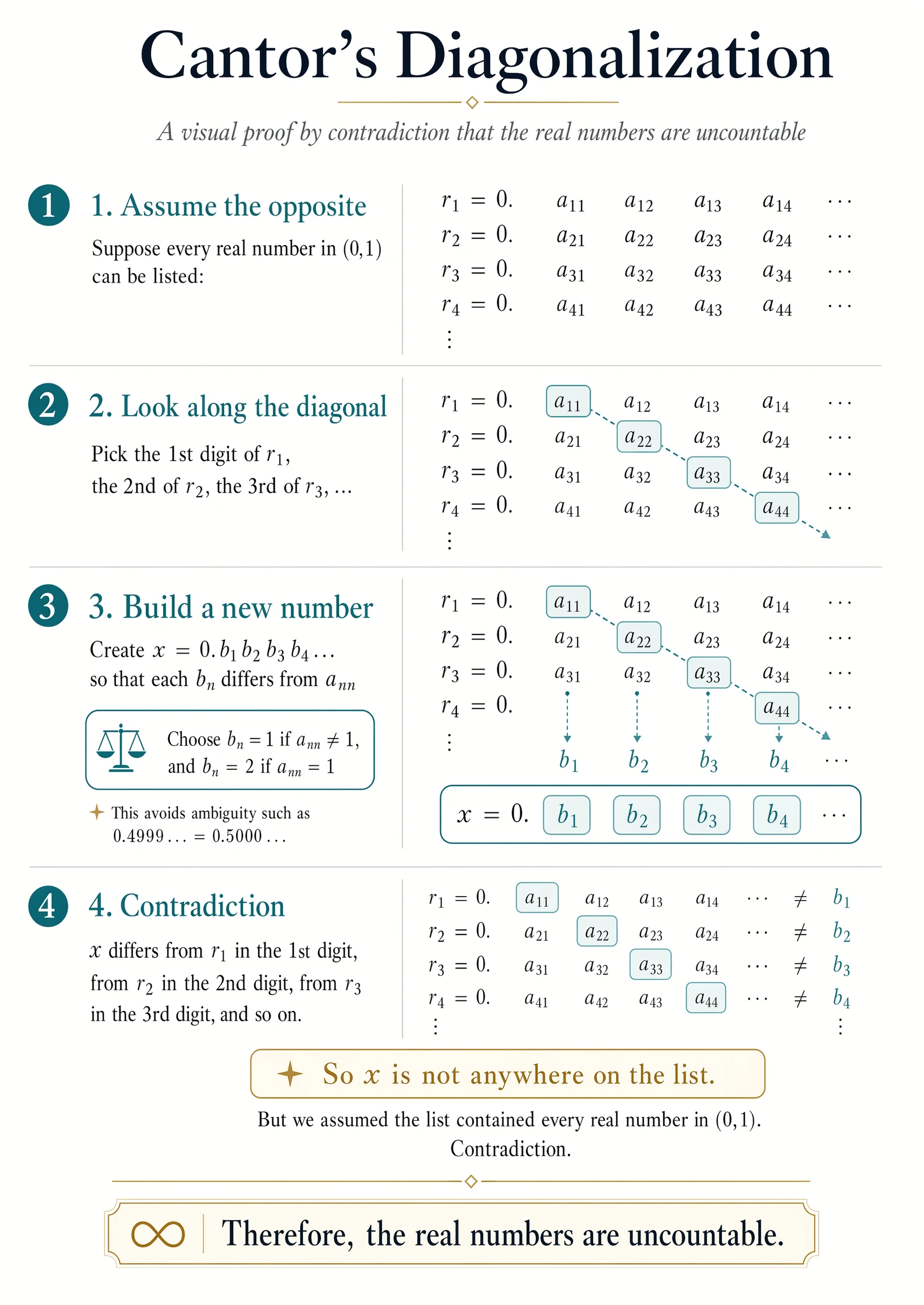
An elegant educational infographic explains Cantor’s diagonalization proof, showing how assuming all real numbers can be listed leads to constructing a new number along the diagonal that cannot appear anywhere on the list, proving that the real numbers are uncountable.
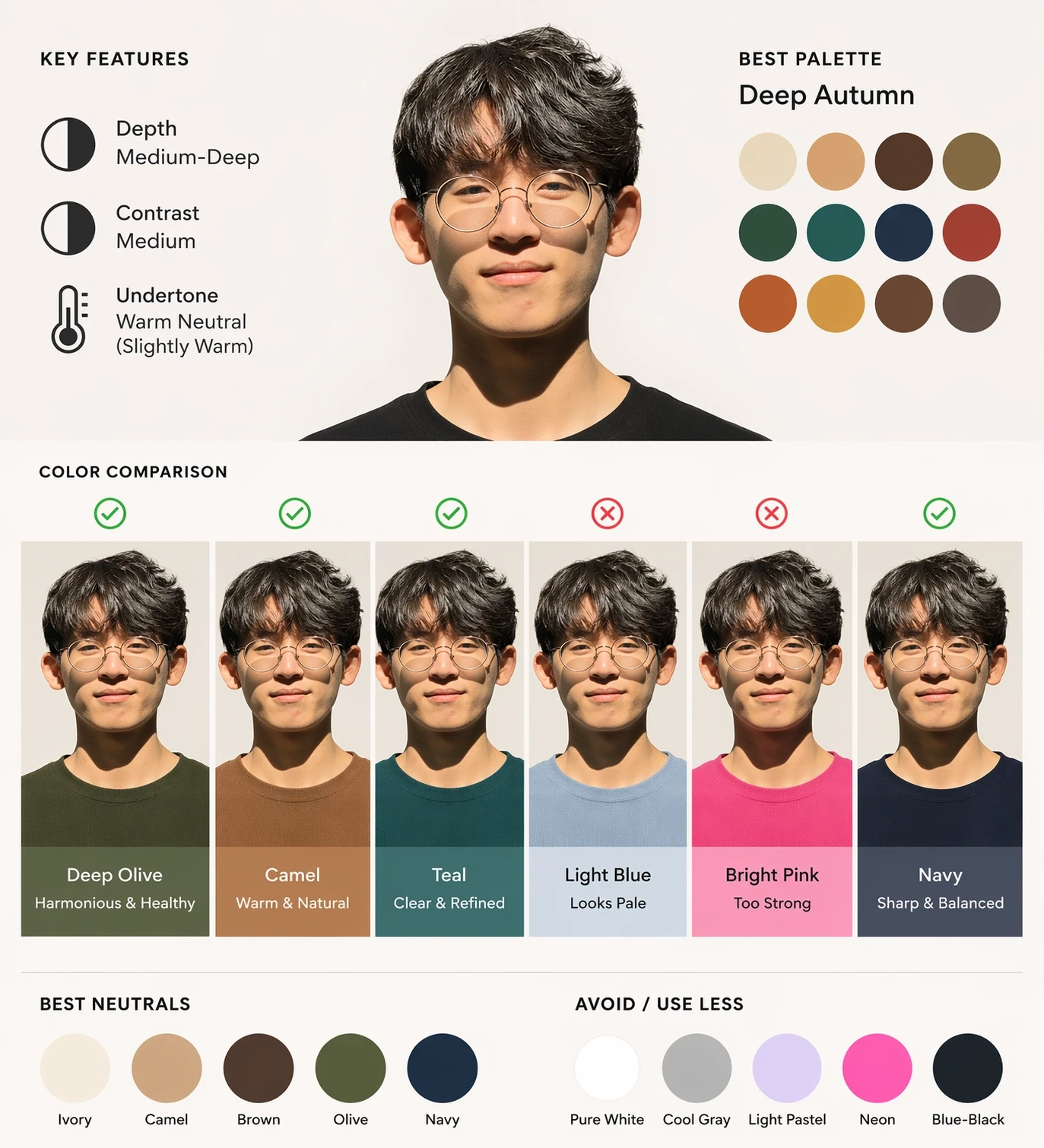
A personalized color analysis board identifies a Deep Autumn palette, outlining warm-neutral undertones, medium contrast, and rich earthy colors that harmonize best—while visually comparing flattering shades like olive, camel, teal, and navy against less ideal cool pastels, neon tones, and stark whites.
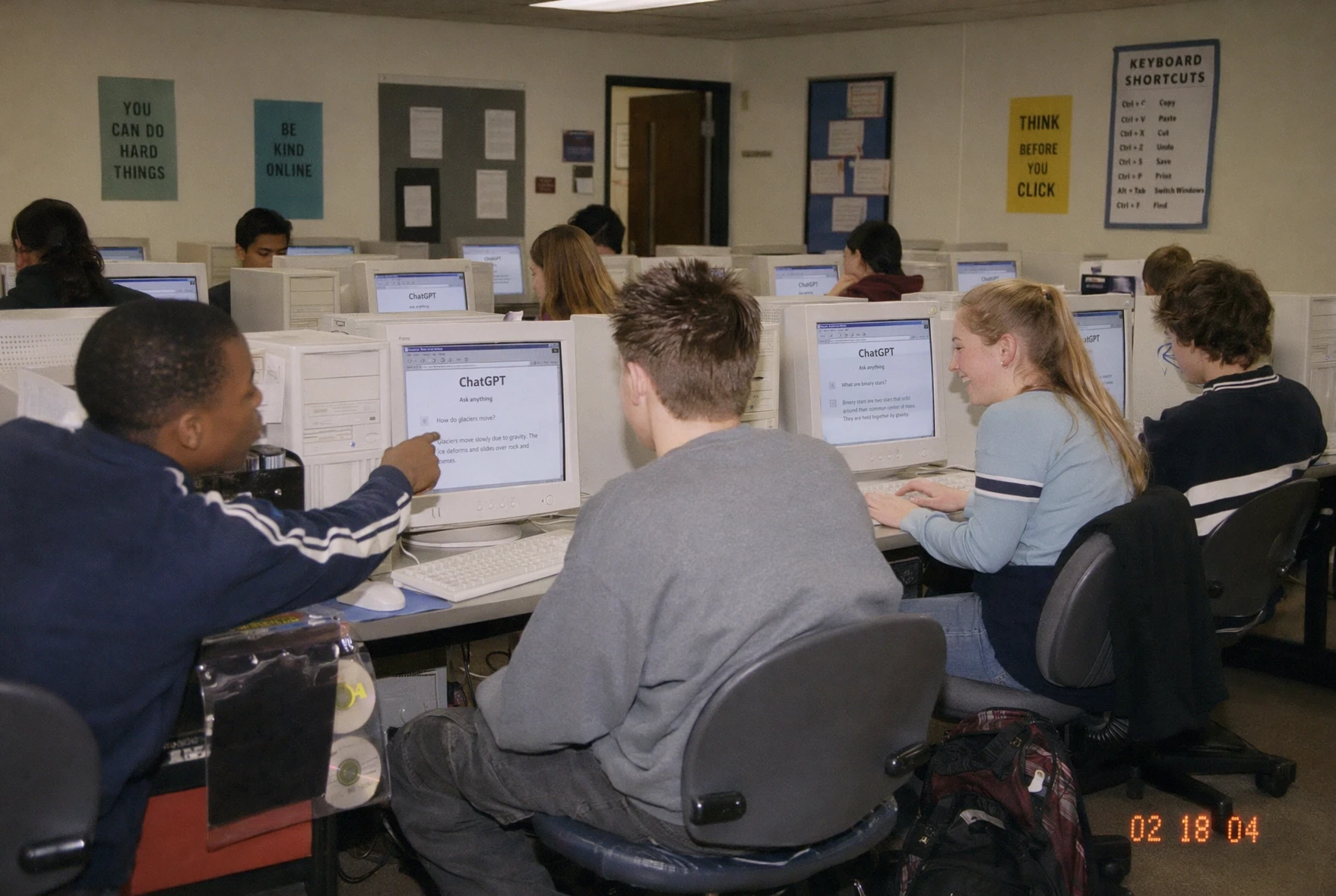
Create one photorealistic candid disposable-camera snapshot from a fictional early 2000s American high school computer lab, alternate-history/anachronistic premise: every student is using ChatGPT on old beige CRT monitors and bulky desktop towers. Scene feels like 2002-2004: rows of tan computers, rolling chairs, Windows XP-era browser windows, ball mice, tangled cables, binder stickers, floppy disks, CD-ROM binders, overhead fluorescent lights, laminated keyboard-shortcut posters, backpacks under desks. Diverse teenage students in non-sexualized early-2000s clothes, leaning toward screens, laughing, one student pointing at a ChatGPT answer, another typing. Show simple readable screen text on several monitors: ChatGPT, Ask anything, and short chat bubbles, but do not imitate a modern polished app UI. Make it candid and nostalgic, imperfect flash photo, mild motion blur, film grain, slightly off-center composition, orange date stamp in corner reading 02 18 04.
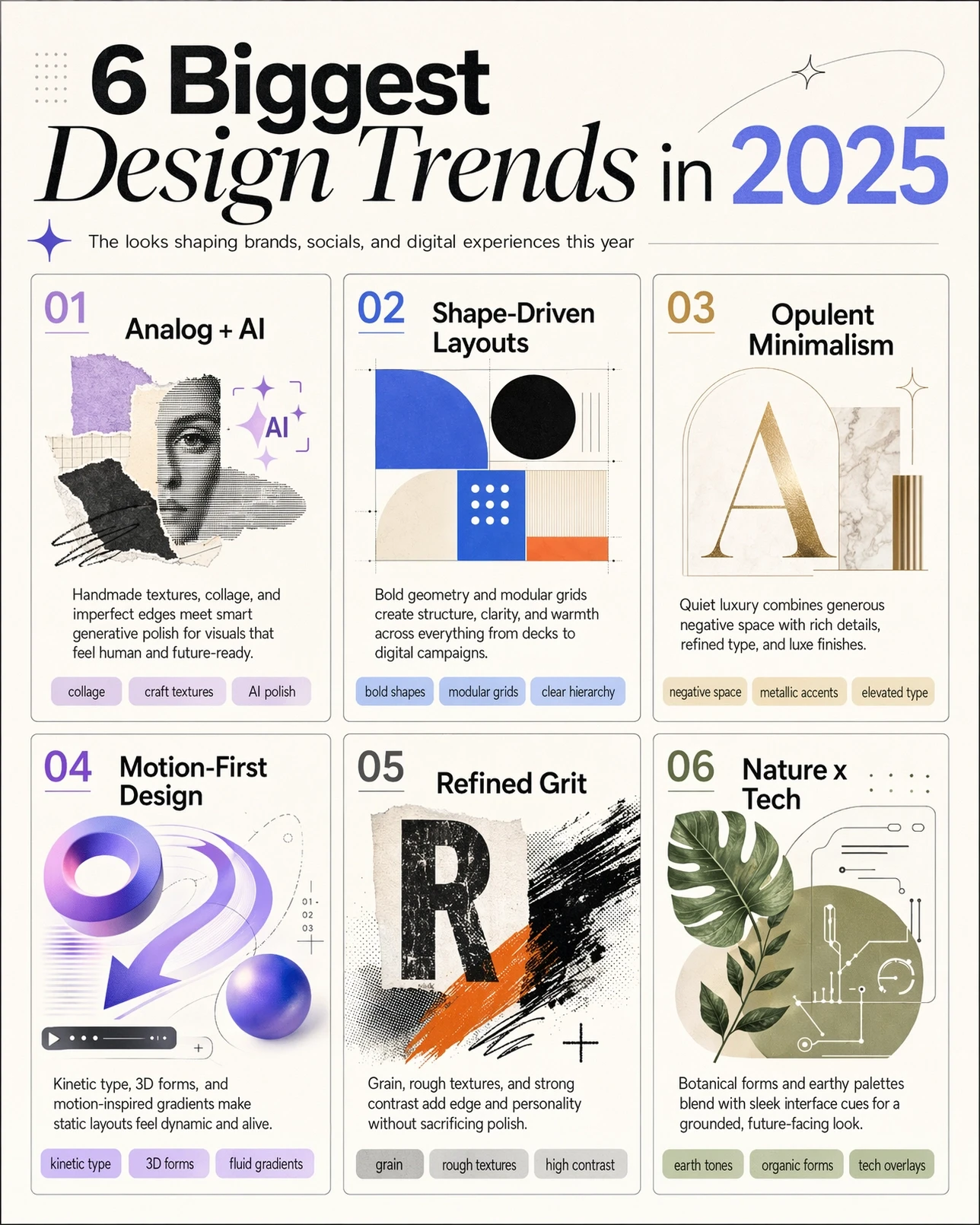
A polished infographic highlights six major design trends for 2025—Analog + AI, Shape-Driven Layouts, Opulent Minimalism, Motion-First Design, Refined Grit, and Nature x Tech—showing how branding and digital aesthetics are blending bold structure, tactile texture, elegance, movement, and organic futurism.
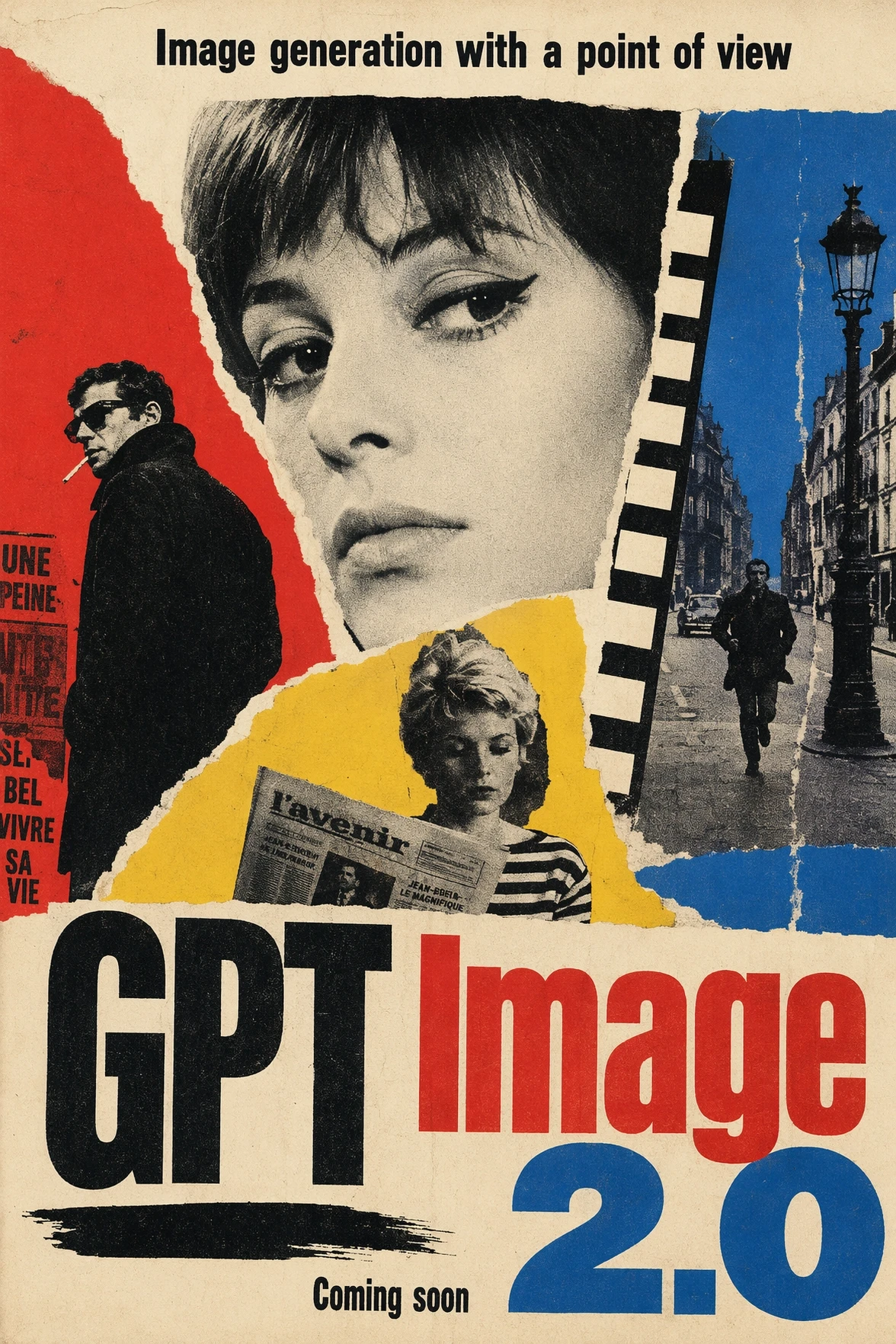
1960s French New Wave theatrical poster, bold photomontage composition, torn-paper collage sensibility, pop-art color bursts, high-contrast black-and-white imagery with selective red blue and yellow accents, hand-made offset-print texture, slightly off-register ink, expressive asymmetry, art-house poster cool, graphic spontaneity, street-poster energy, adventurous typography-led design. Poster text: - Large title at the bottom: "GPT Image 2.0" - Smaller headline at the top: "Image generation with a point of view" - Small footer text: "Coming soon" Keep all visible text in English. Use a theatrical poster composition.
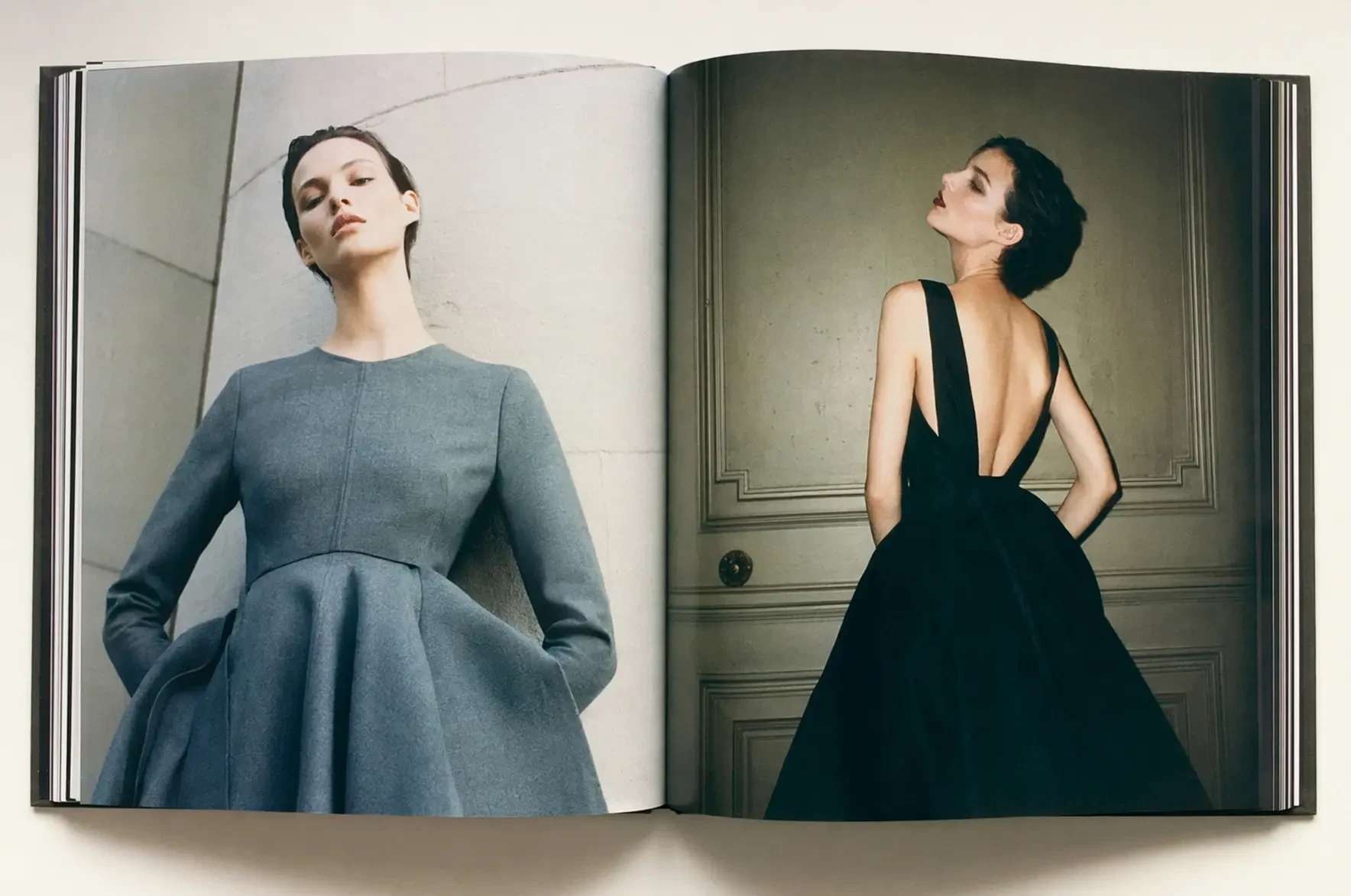
35mm photograph of a book of high-fashion photoshoots
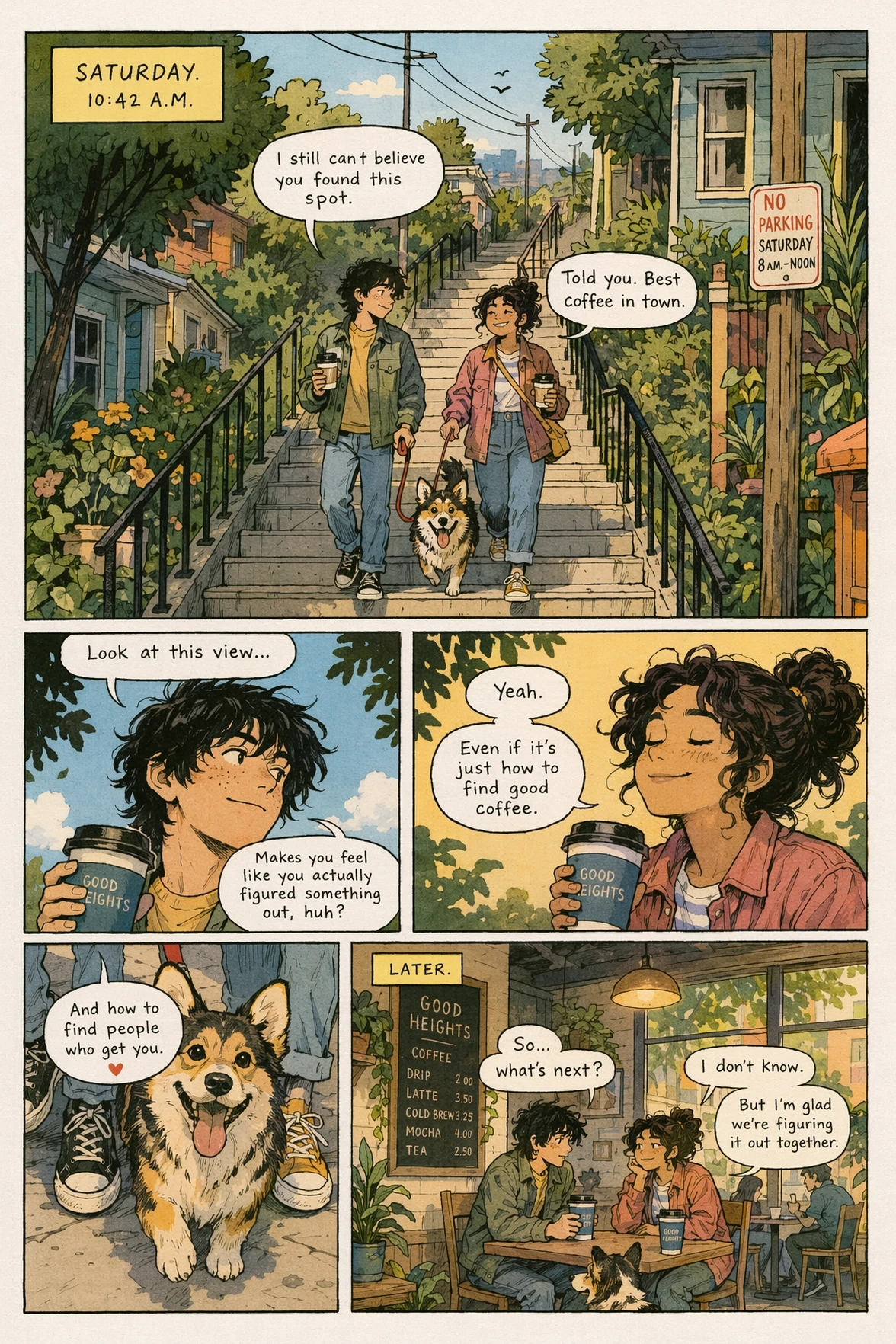
A modern indie-comic page shows two young people talking on a rooftop at dusk about uncertainty and connection, using muted colors, expressive character art, and reflective dialogue across cinematic urban panels.
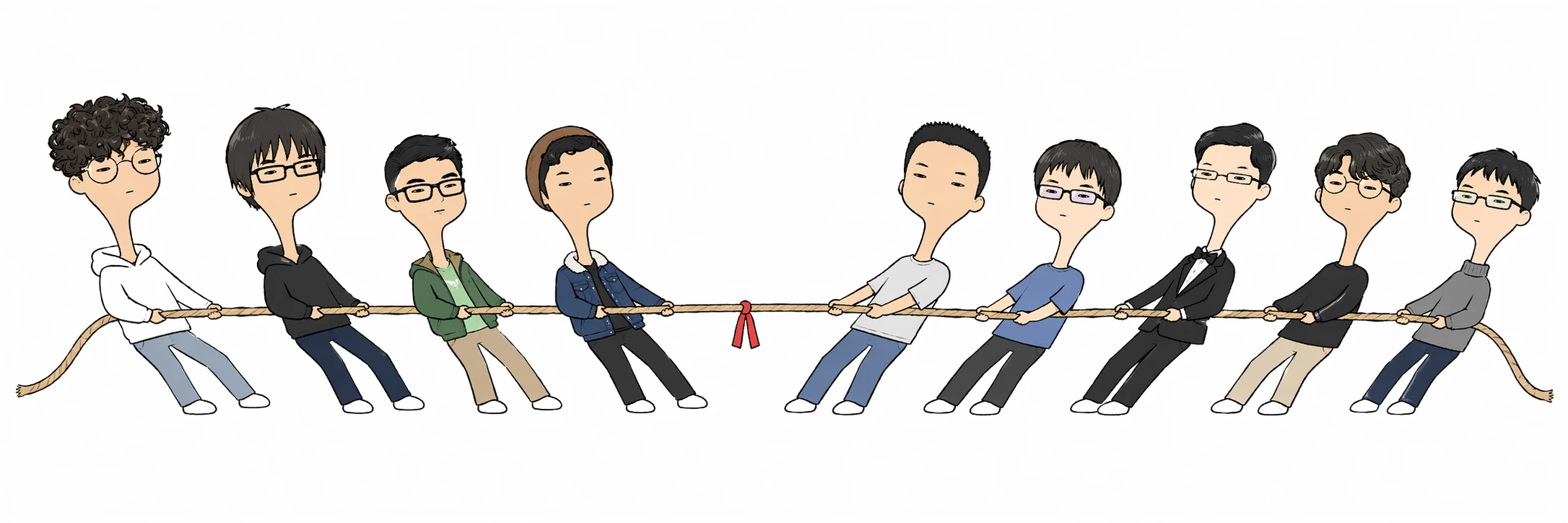
A playful minimalist illustration shows a tug-of-war between stylized caricature characters with consistent identity variation, clean linework, and strong compositional balance. It highlights the model’s ability to create coherent multi-character scenes in a simple, expressive cartoon style.
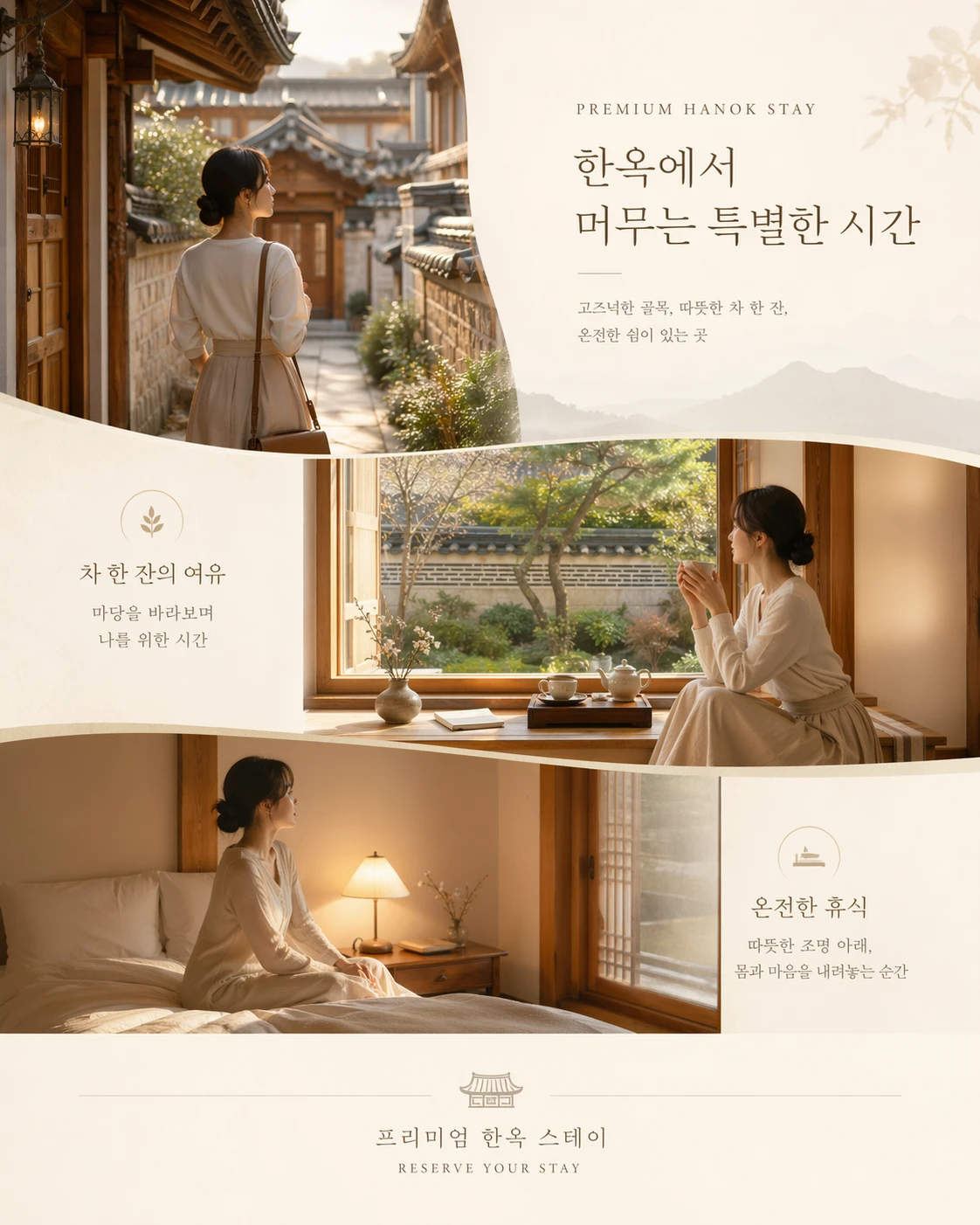
A premium hospitality campaign presents a Korean hanok stay through a polished multi-panel brochure layout, combining lifestyle photography, elegant Korean typography, branding, and serene editorial composition. It shows the model’s ability to create market-ready travel and hospitality advertising assets with strong cultural aesthetic coherence.
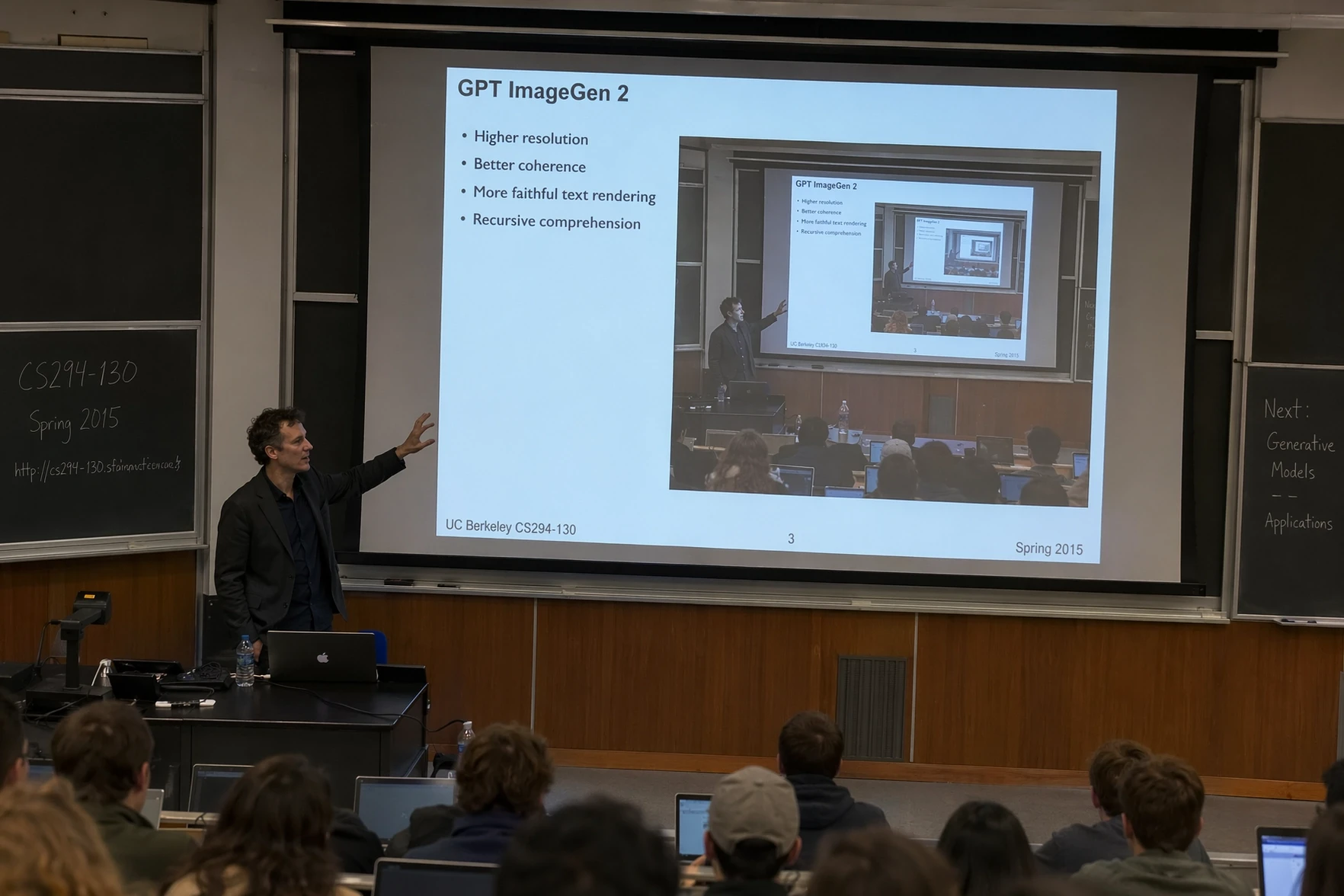
a 2015 ubc lecture hall with professor showing slides about GPT imagegen 2, photorealistic. the slides show a professor showing slides about GPT imagegen 2, and so on, recursively, forever.
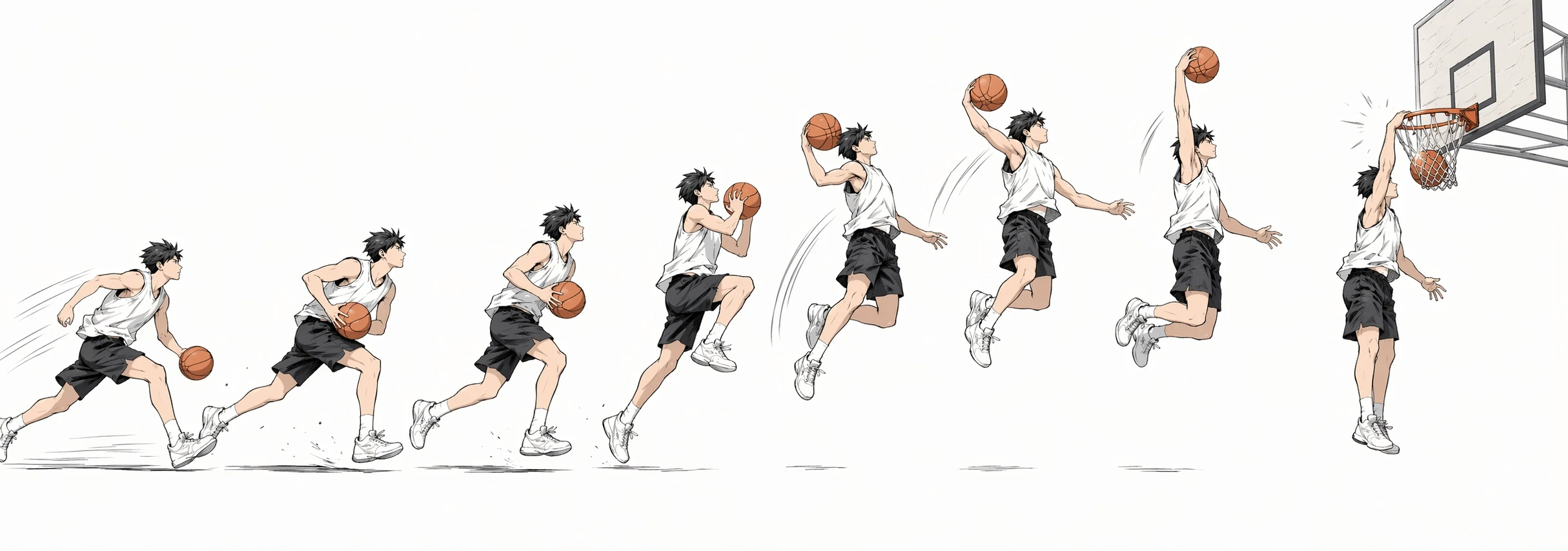
A manga-style motion breakdown illustrates a basketball player’s full dunk sequence frame by frame—from dribble approach and gather steps to leap, hang time, and slam finish—like an animation keyframe study.
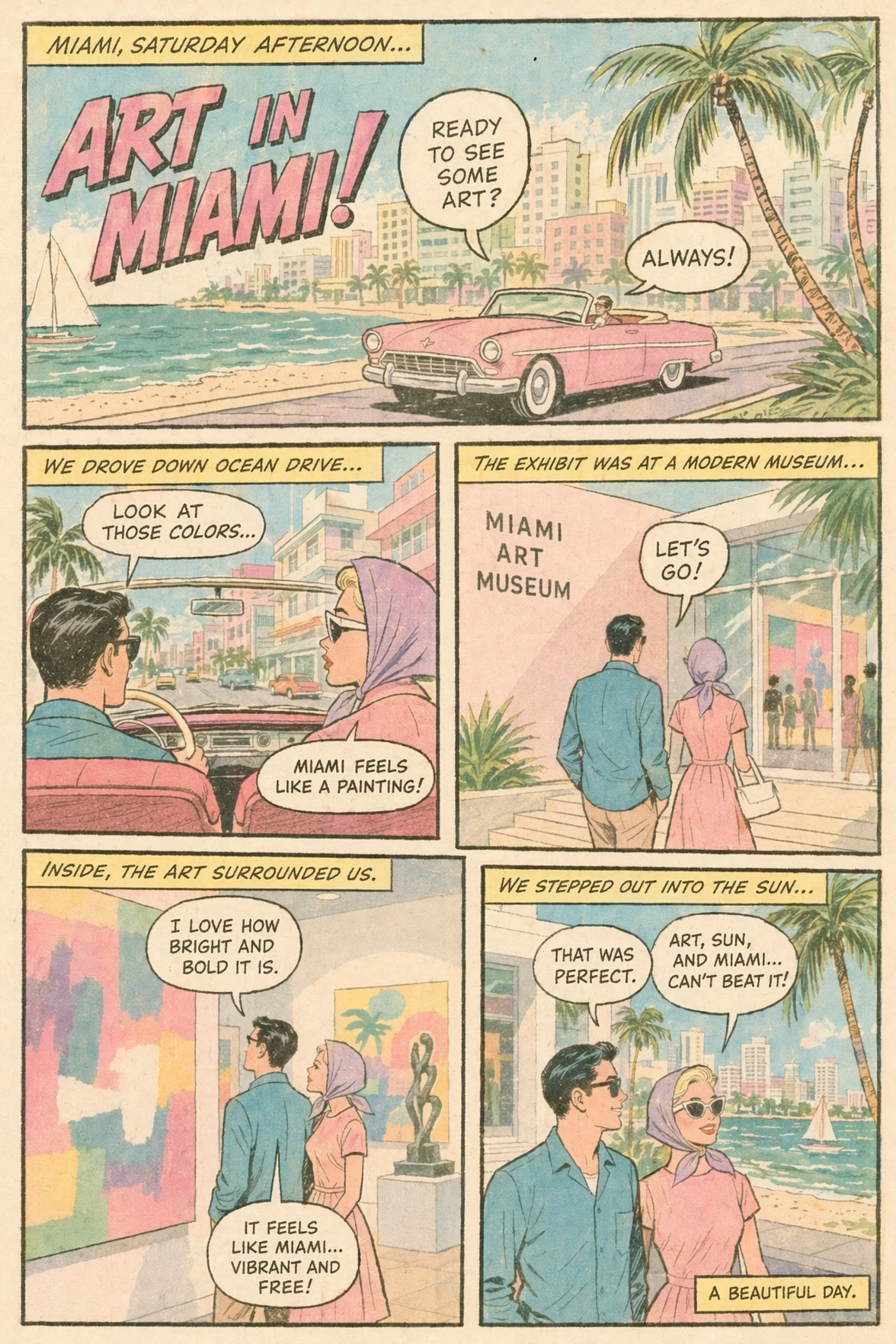
A vintage comic-page illustration turns a Miami museum outing into a cohesive narrative sequence—combining retro print texture, panel storytelling, consistent characters, readable lettering, and destination branding. It demonstrates the model’s strength in multi-scene continuity and stylized editorial storytelling.
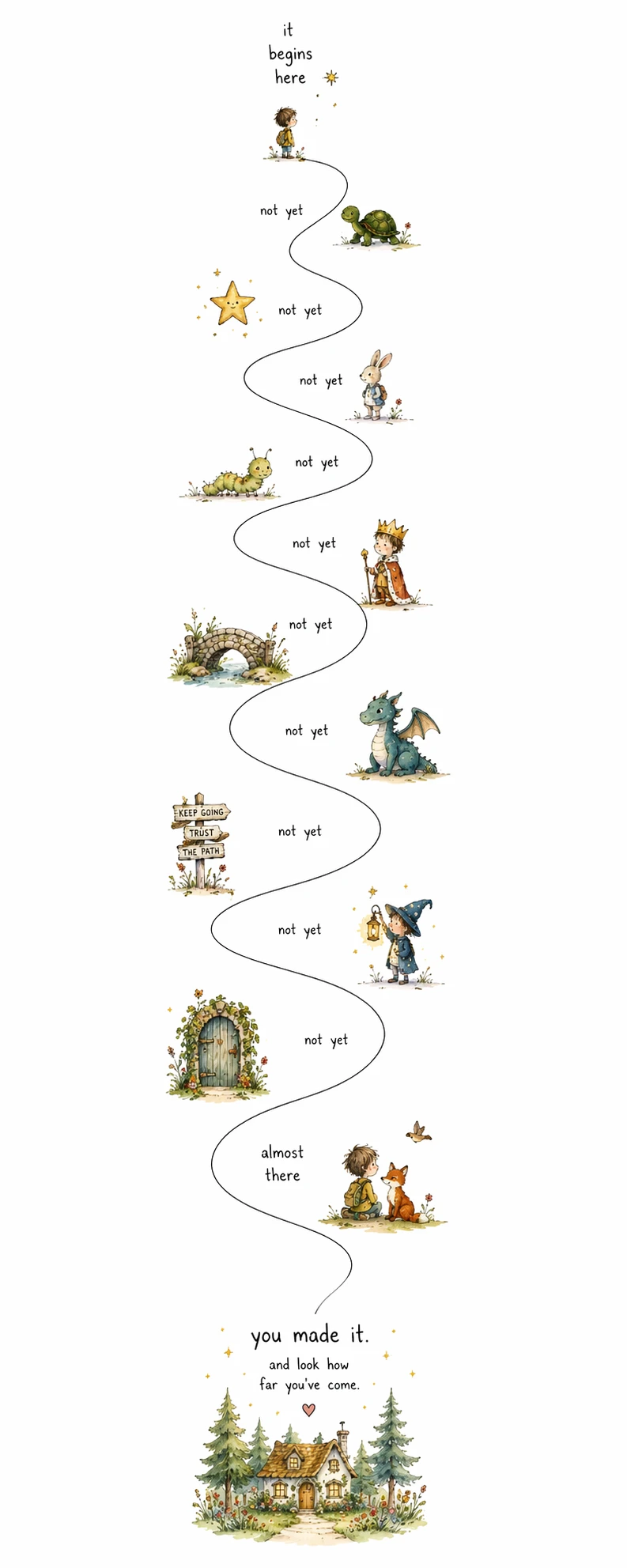
A whimsical children’s-book-style illustration follows a winding path through small milestones and magical characters, repeating "not yet" along the journey before arriving at a cozy cottage with the message "you made it," emphasizing patience, progress, and encouragement.
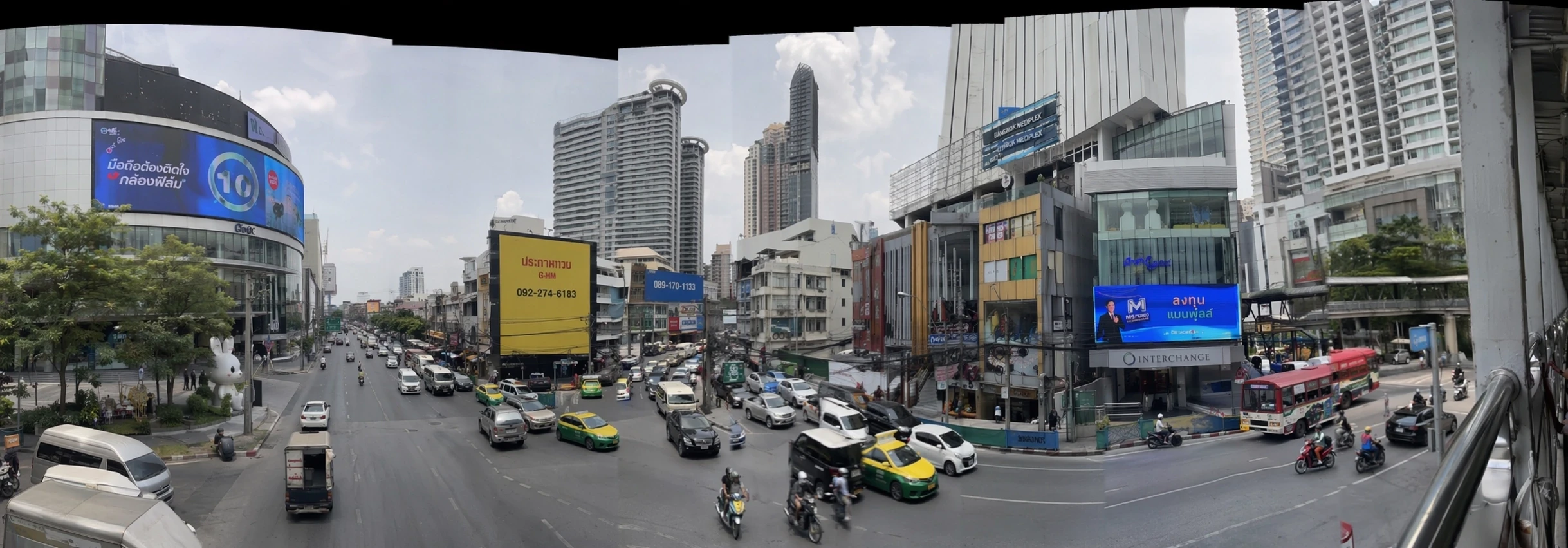
A wide panoramic city scene shows a busy urban street in Thailand with multi-lane traffic, taxis, buses, motorbikes, high-rise buildings, shopping centers, and Thai-language signage under a bright daytime sky.
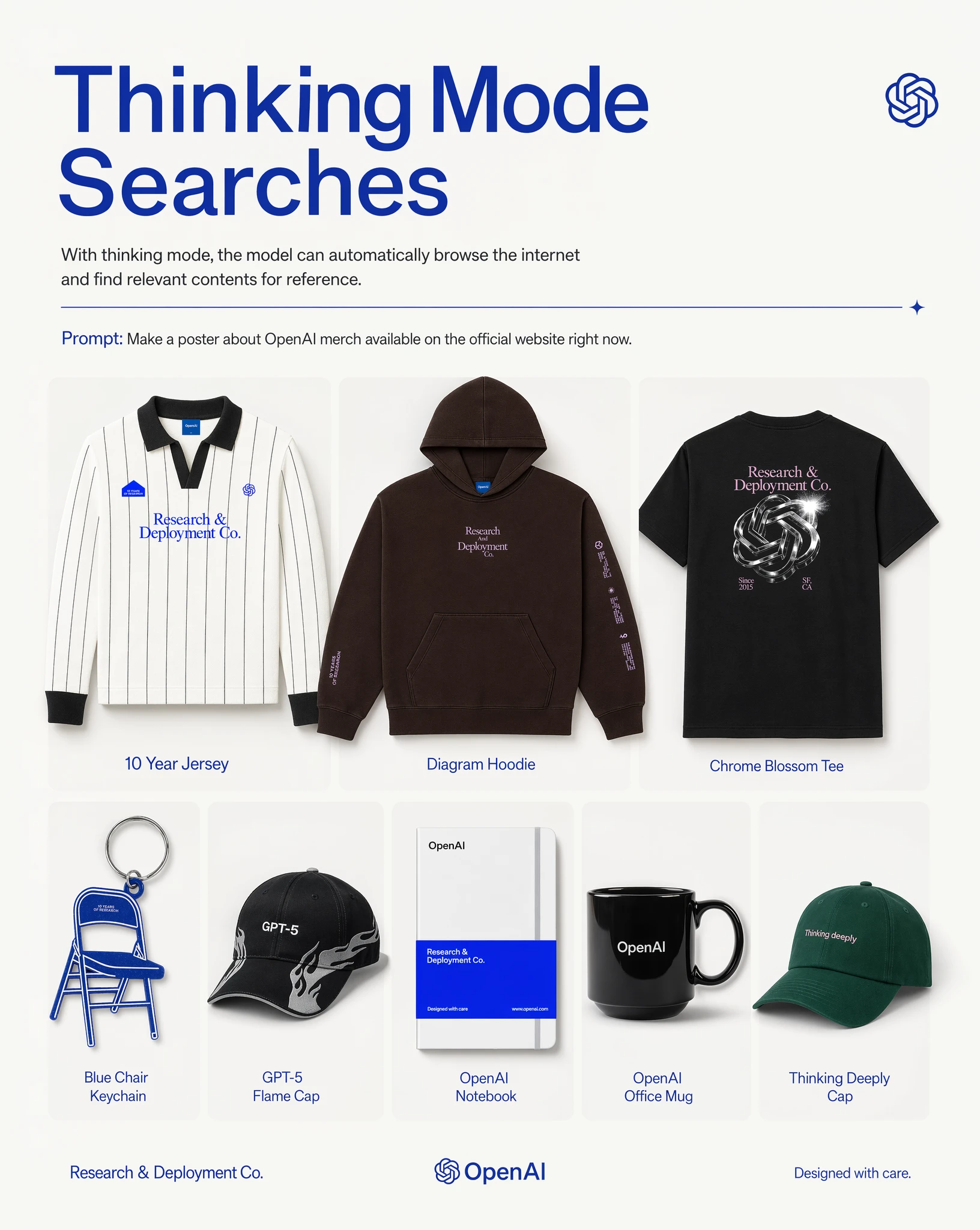
A clean product-grid poster demonstrates thinking mode search capabilities by showing a prompt about current OpenAI merch and a set of generated product mockups, including shirts, a hoodie, caps, a keychain, notebook, and mug in a polished OpenAI-branded layout.
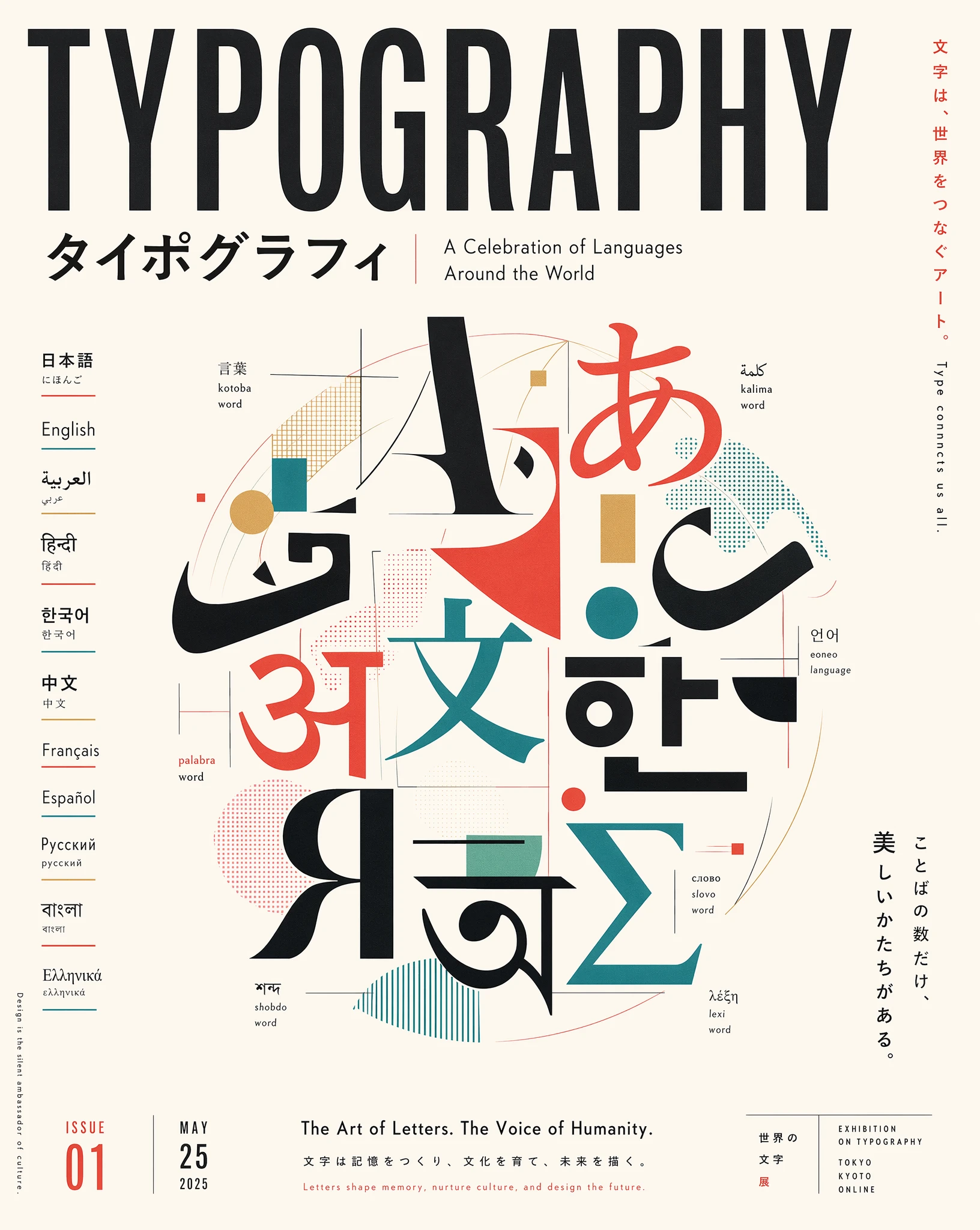
An editorial poster titled "Typography" celebrates global languages through bold multilingual letterforms, combining Japanese, Arabic, Korean, Devanagari, Cyrillic, Bengali, Greek, Chinese, and Latin scripts in a modern graphic composition.
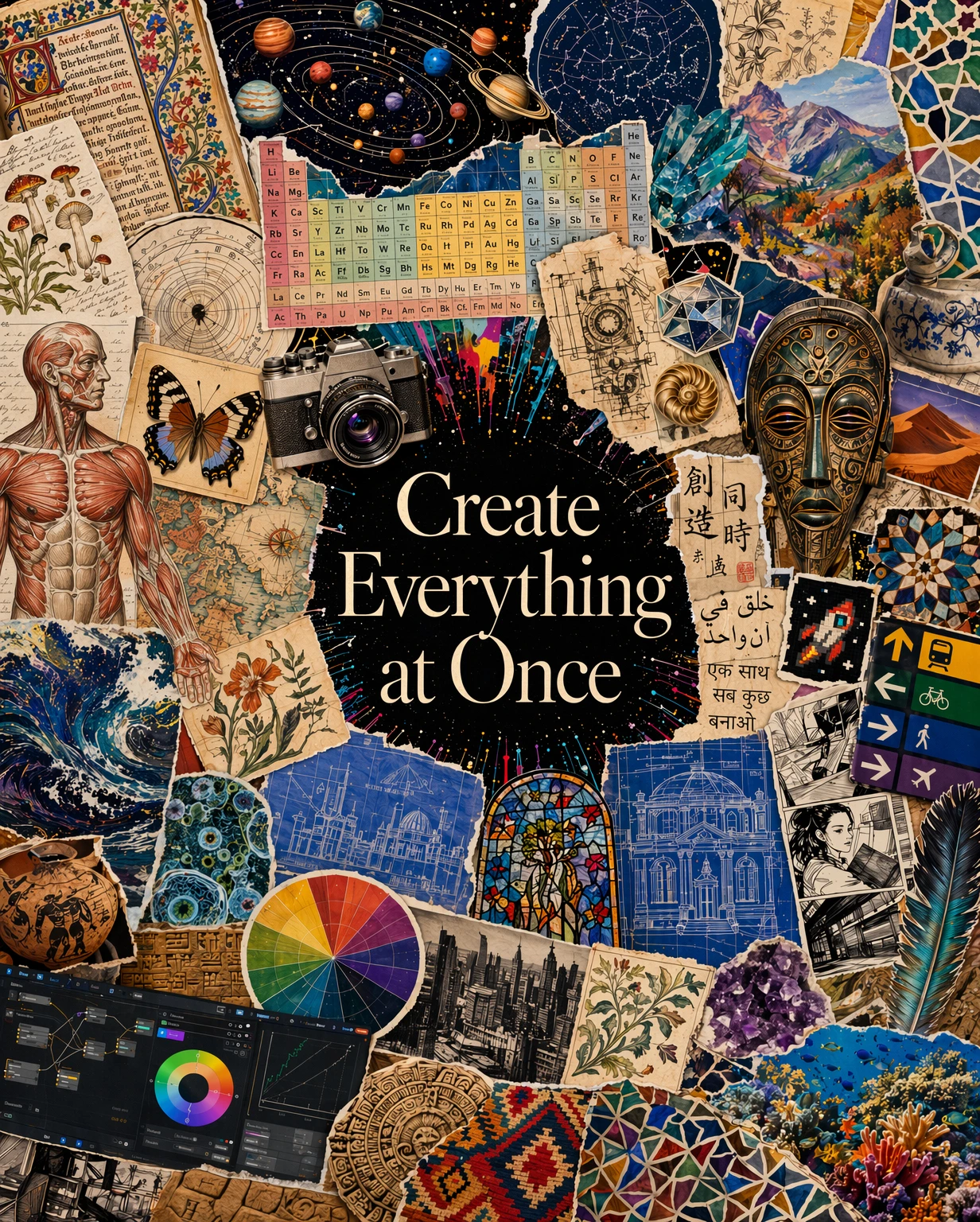
A richly layered collage poster features art, science, history, design, and global culture surrounding the phrase "Create Everything at Once," blending planets, anatomy sketches, maps, architecture, symbols, crystals, and mixed media imagery into a vibrant creative mosaic.
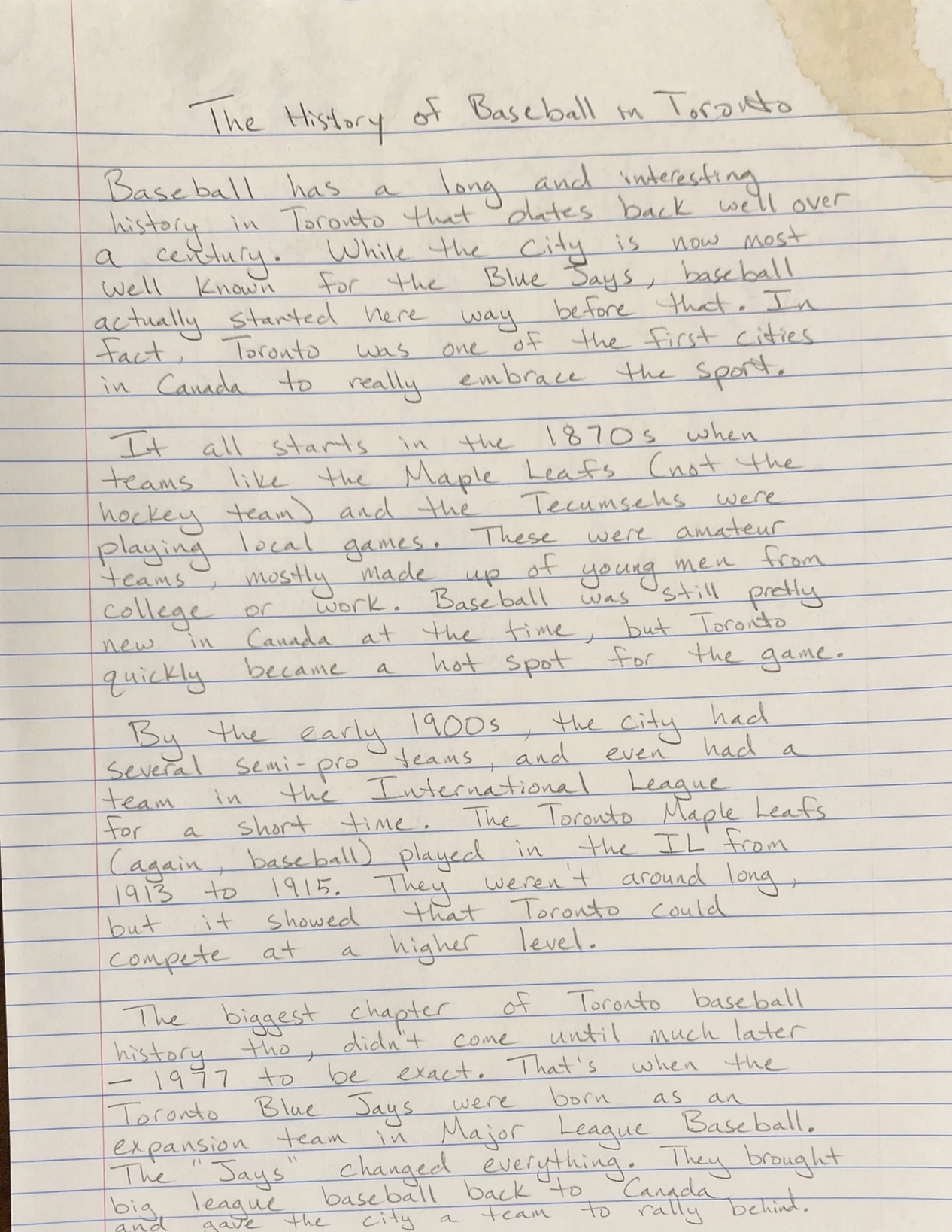
A realistic handwritten notebook page titled "The History of Baseball in Toronto" shows pencil-written school notes on lined paper, discussing early Toronto baseball teams and the origins of the Blue Jays.
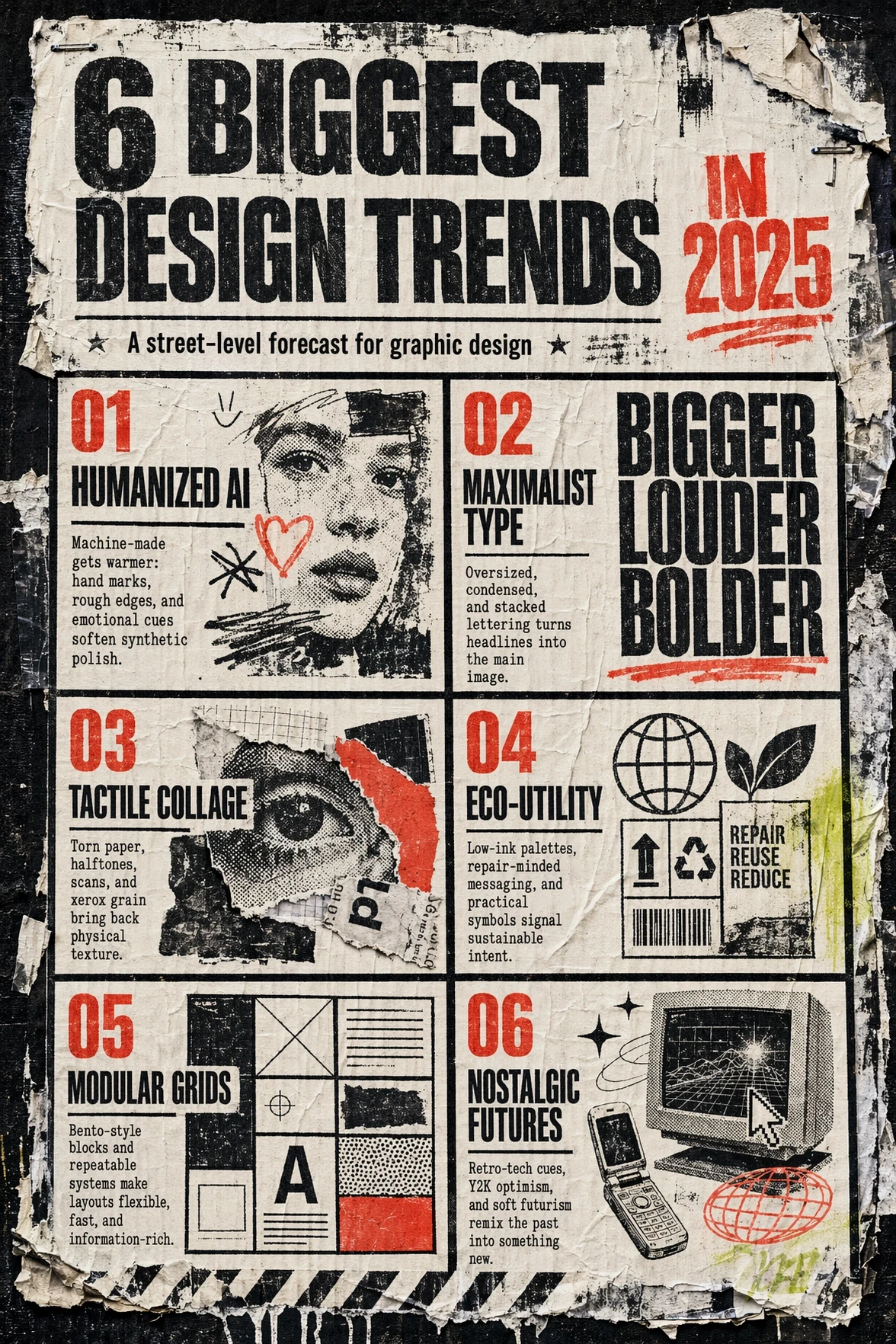
A gritty street-poster infographic reimagines 2025 design trends through an urban editorial lens, featuring Humanized AI, Maximalist Type, Tactile Collage, Eco-Utility, Modular Grids, and Nostalgic Futures with distressed textures, bold typography, torn-paper layering, and raw analog energy.
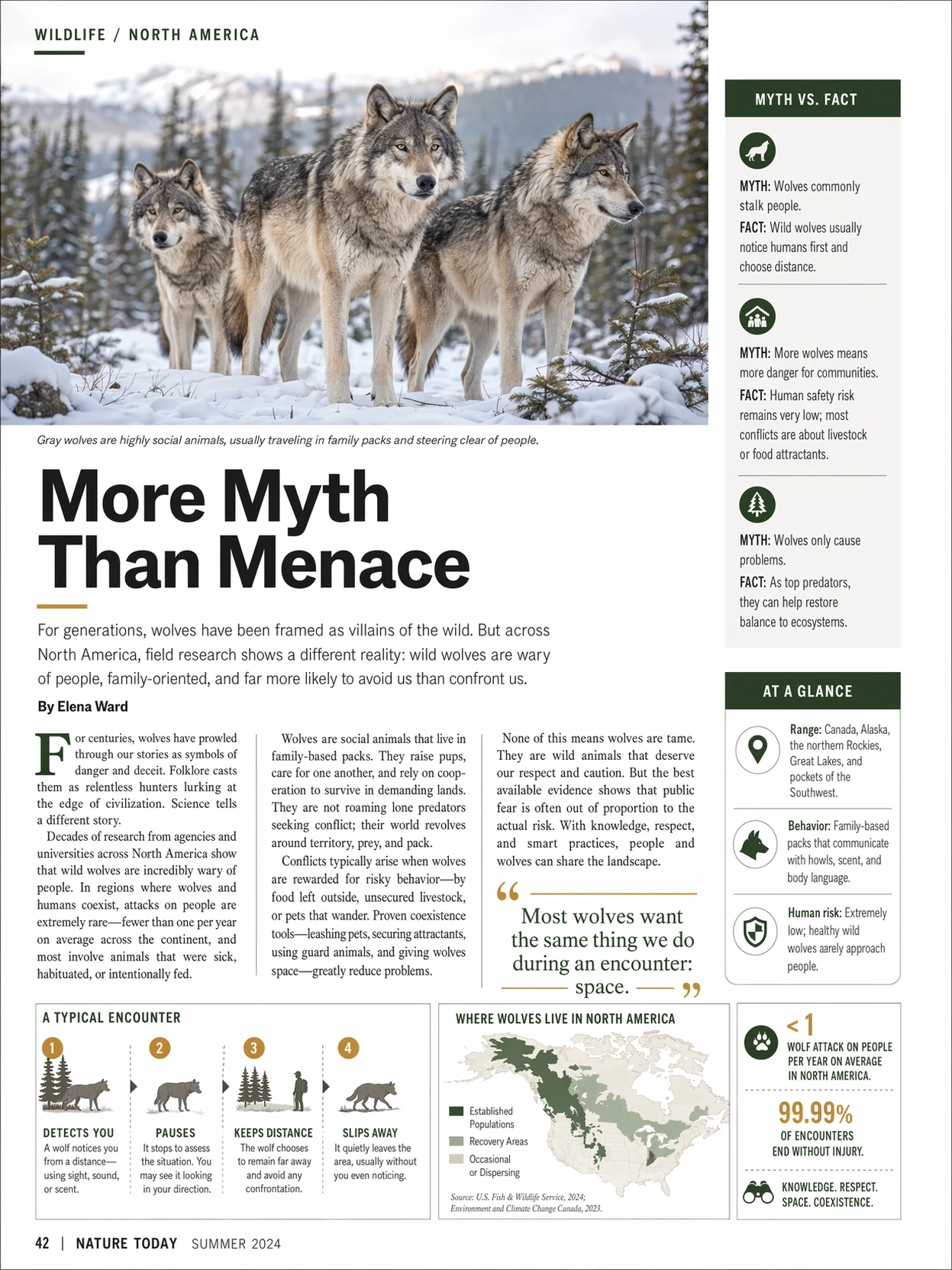
A magazine-style infographic spread about wolves in North America features a wildlife photo of three gray wolves in snow, bold editorial headlines, myth-versus-fact callouts, maps, statistics, and educational illustrations about wolf behavior and coexistence.
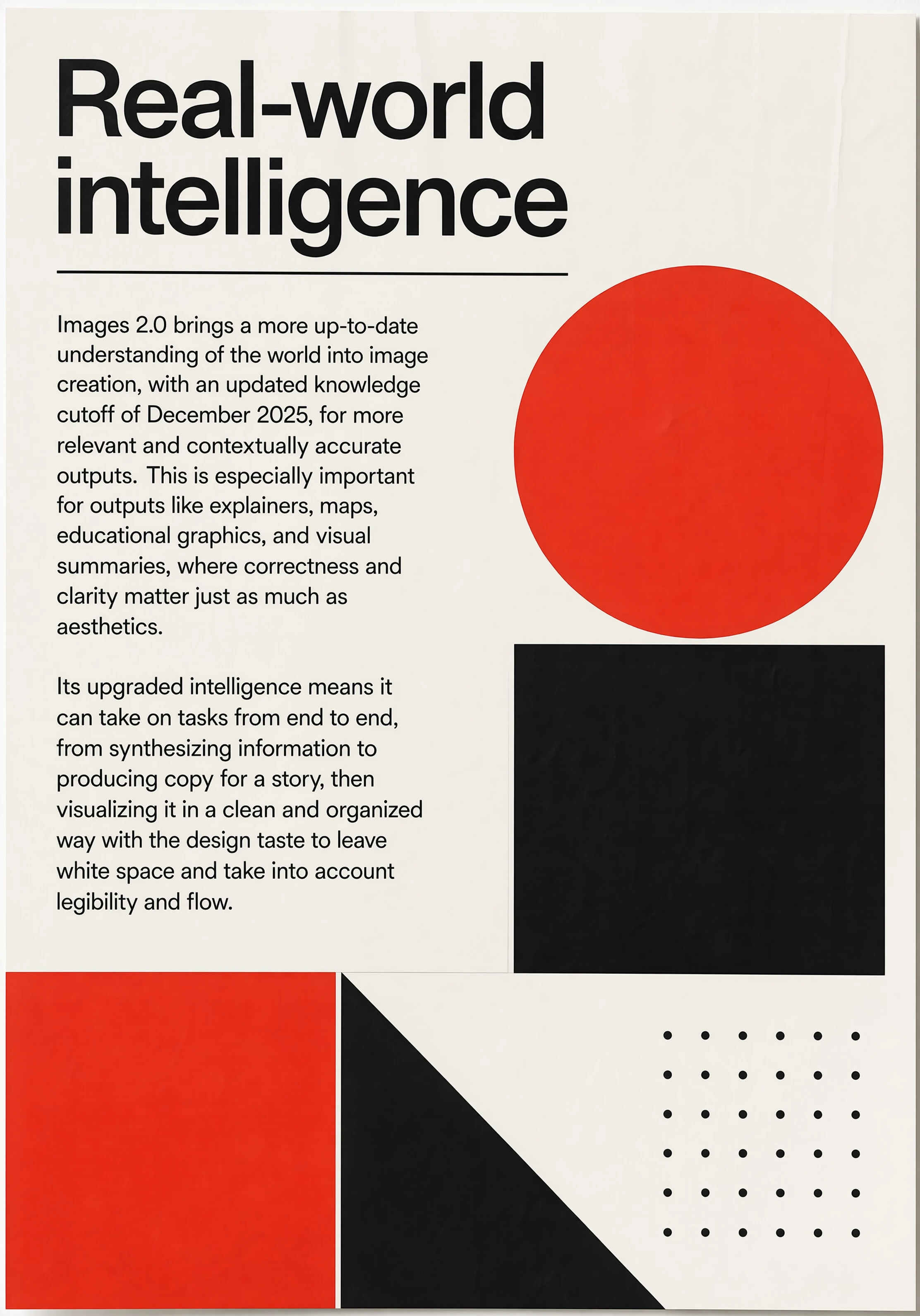
A modernist poster uses bold typography and geometric forms to present enhanced real-world intelligence, emphasizing the model’s up-to-date knowledge, contextual accuracy, and ability to turn information into clear, well-designed visual outputs.
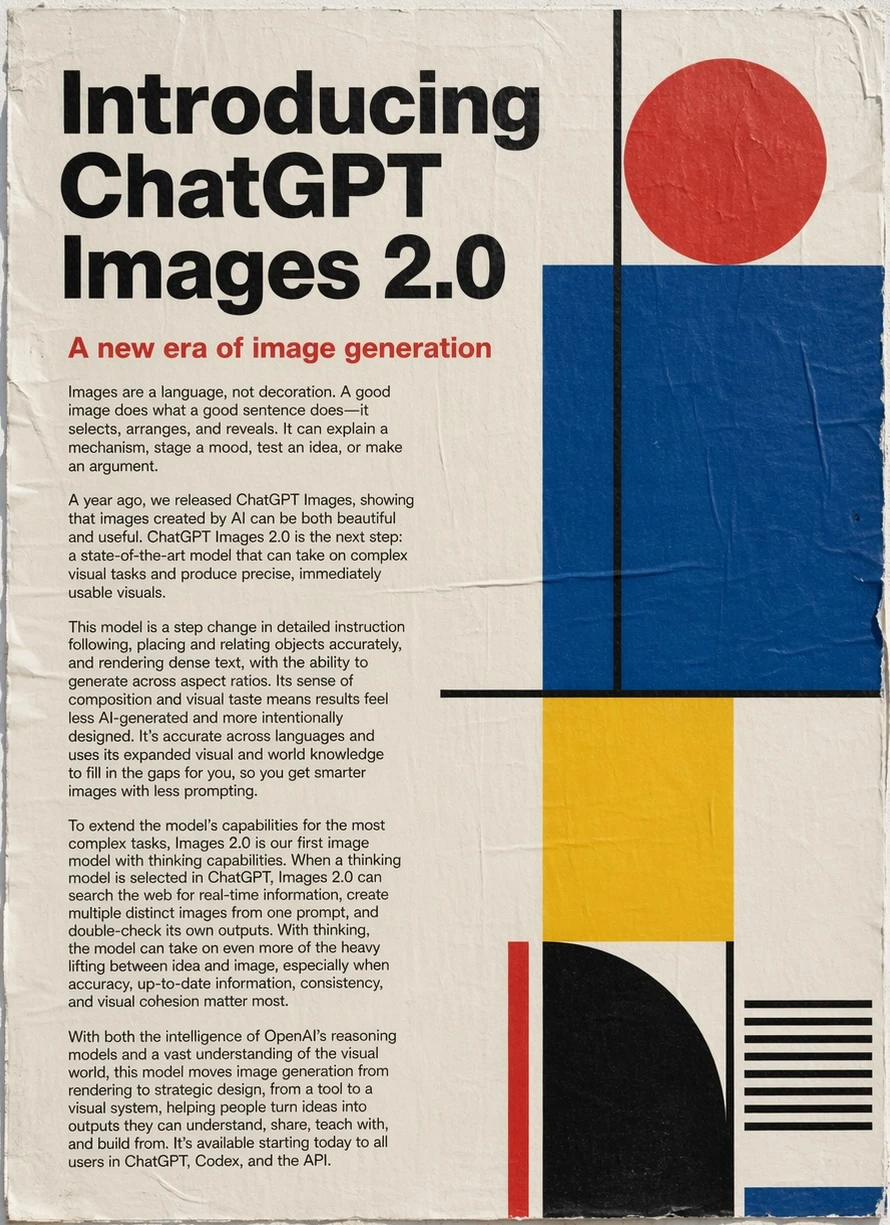
A poster-style image introduces "ChatGPT Images 2.0" with a bold editorial layout, blocks of explanatory text, and geometric shapes in red, black, blue, and yellow.
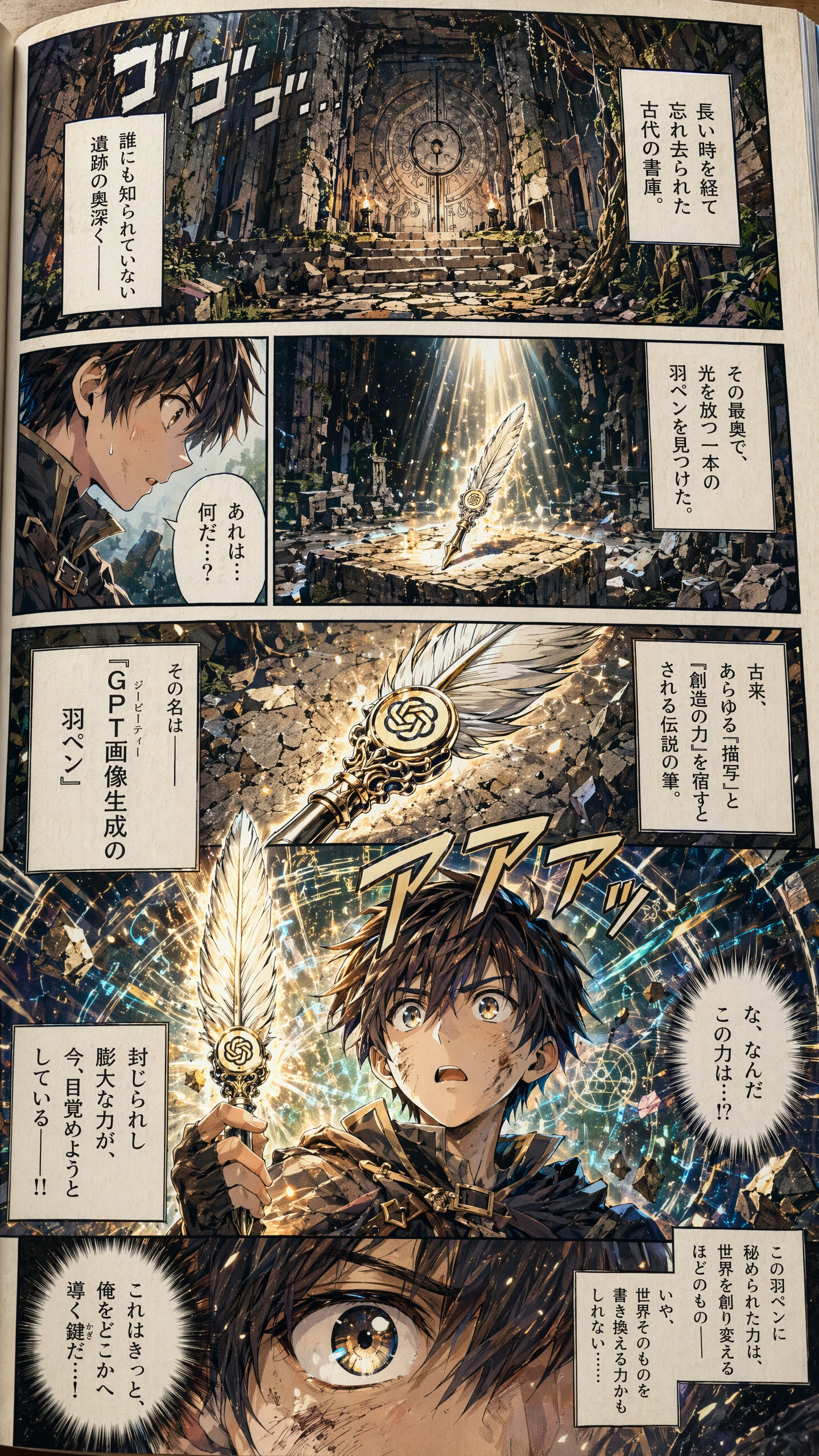
A dramatic manga-style fantasy comic page in Japanese shows a young adventurer discovering a glowing magical feather pen in ancient ruins, with cinematic panels, dynamic effects, and detailed fantasy artwork.
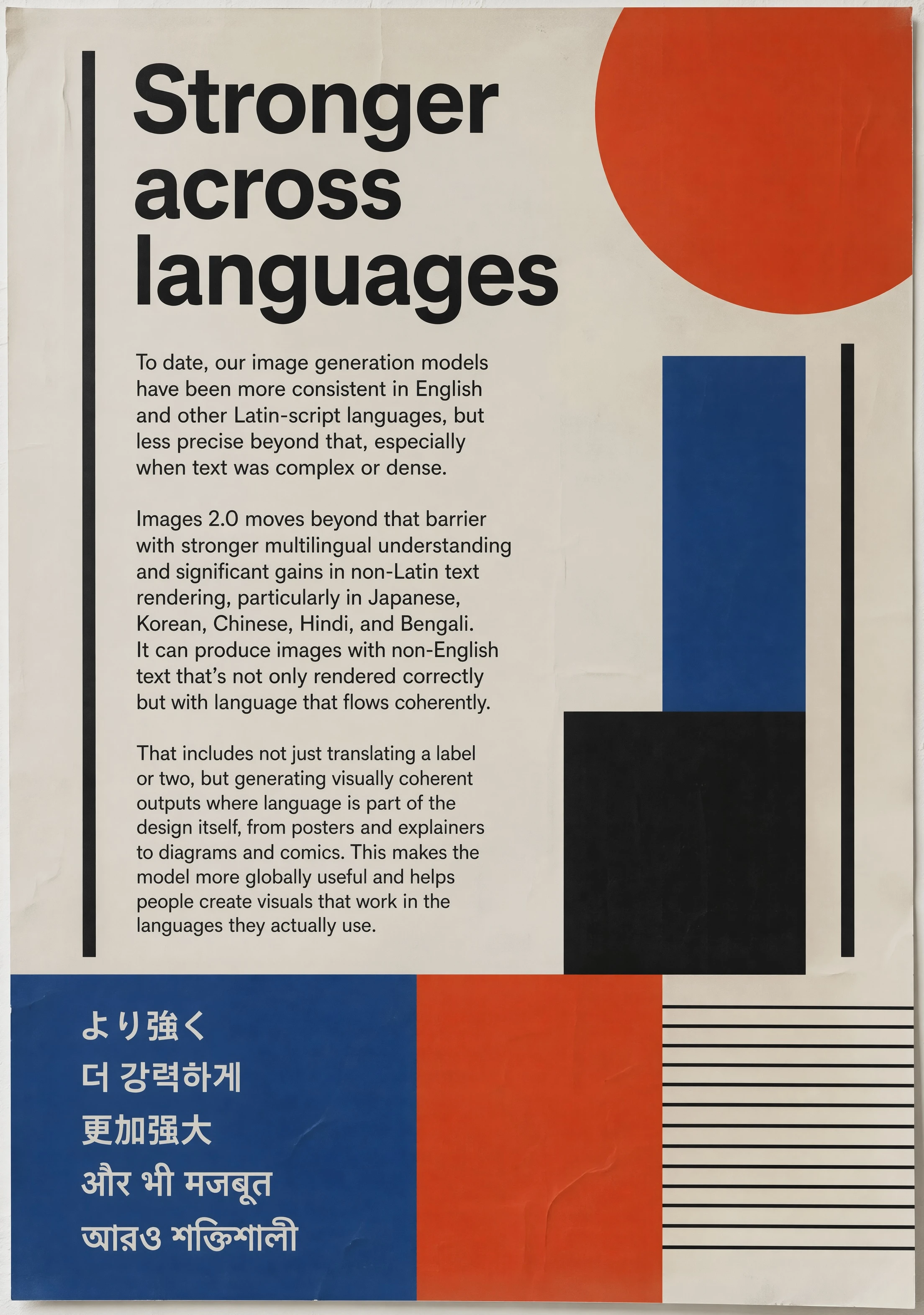
An editorial poster titled "Stronger across languages" combines bold typography, geometric shapes in red, blue, and black, multilingual text samples, and explanatory copy about improved image generation across global languages and scripts.
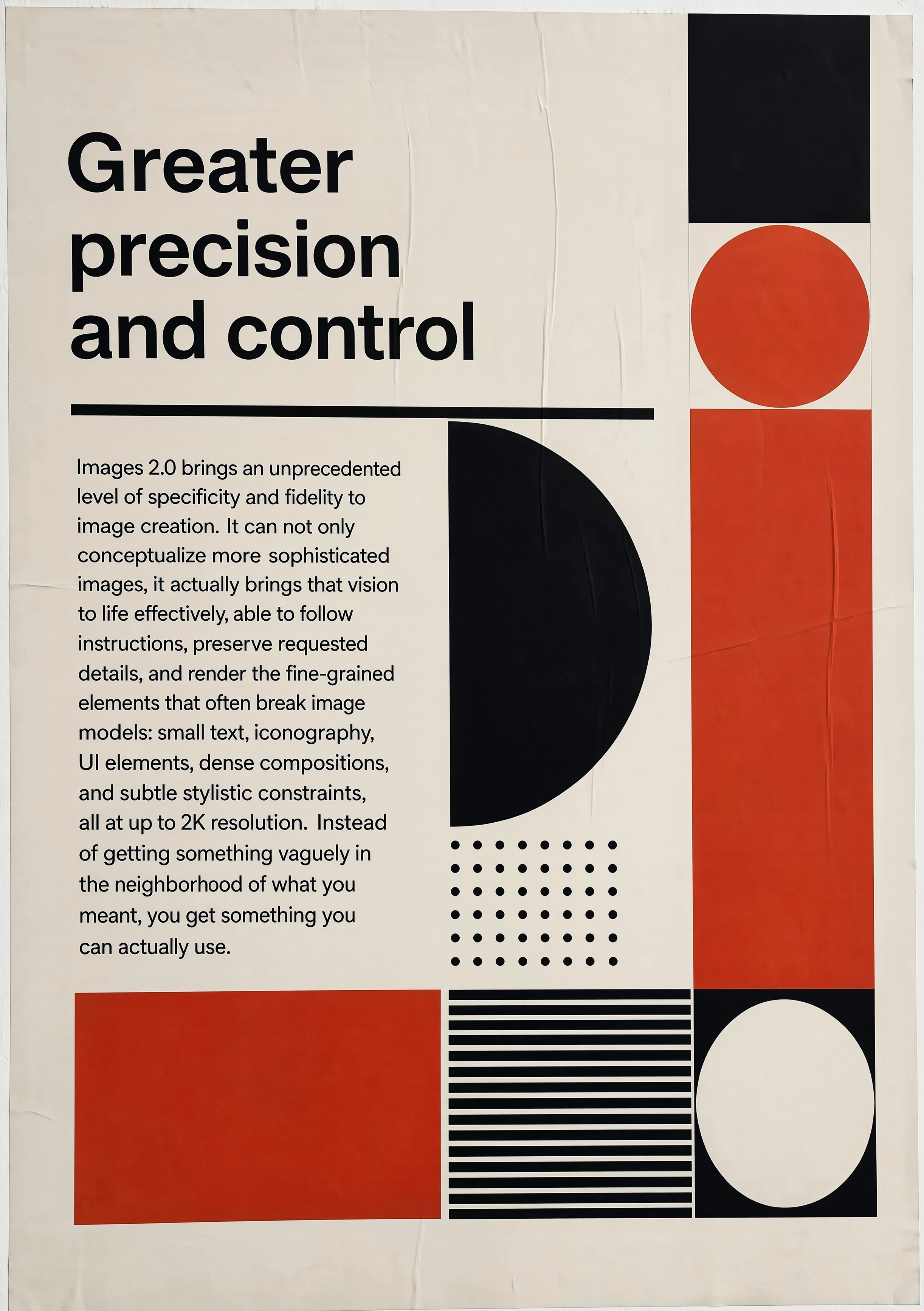
A modernist poster titled "Greater precision and control" uses bold typography, editorial text, and geometric shapes in black, red, and cream to illustrate improved image generation accuracy and control.
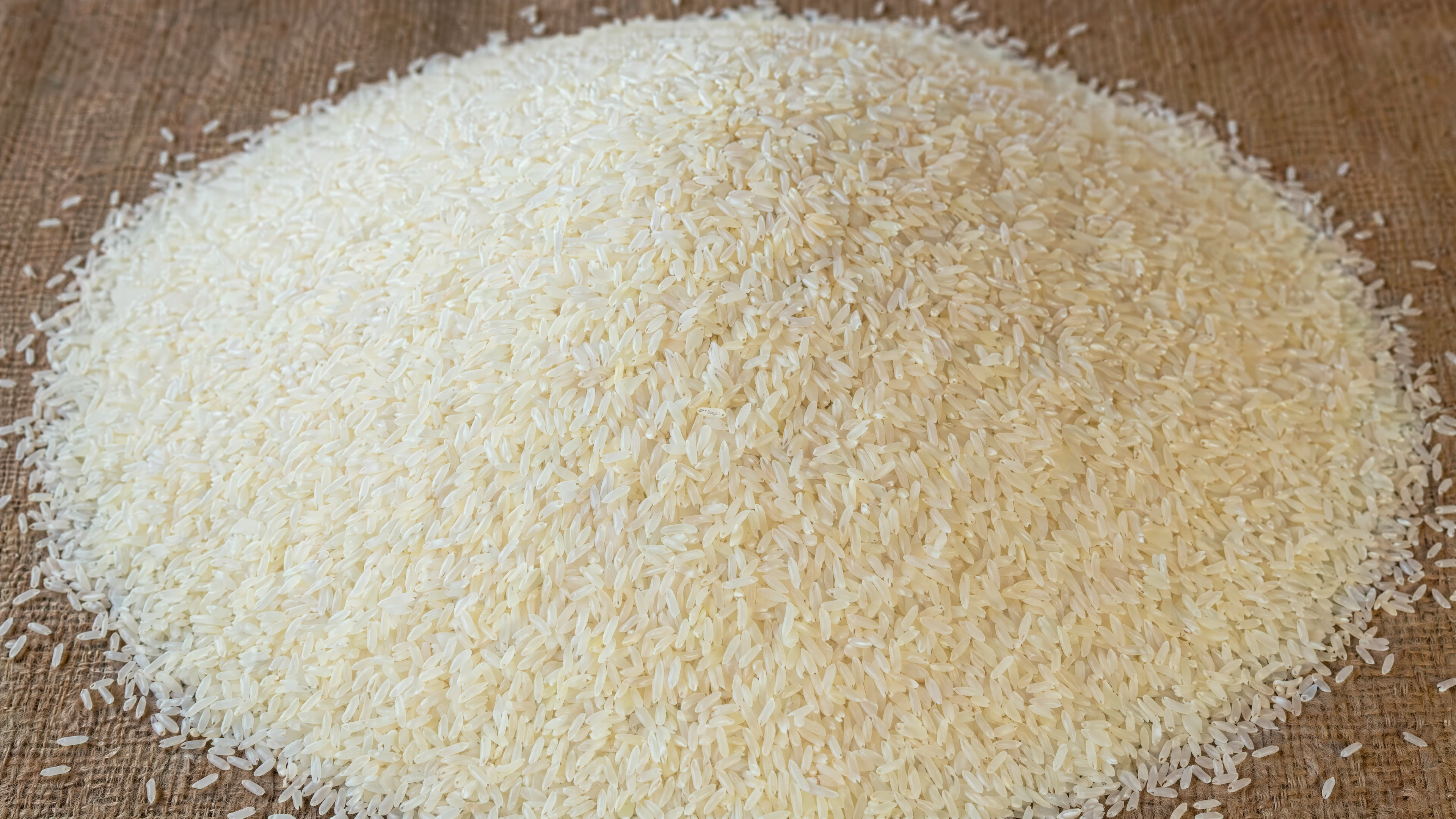
A close-up image shows a large mound of uncooked white rice grains piled on a textured burlap surface.
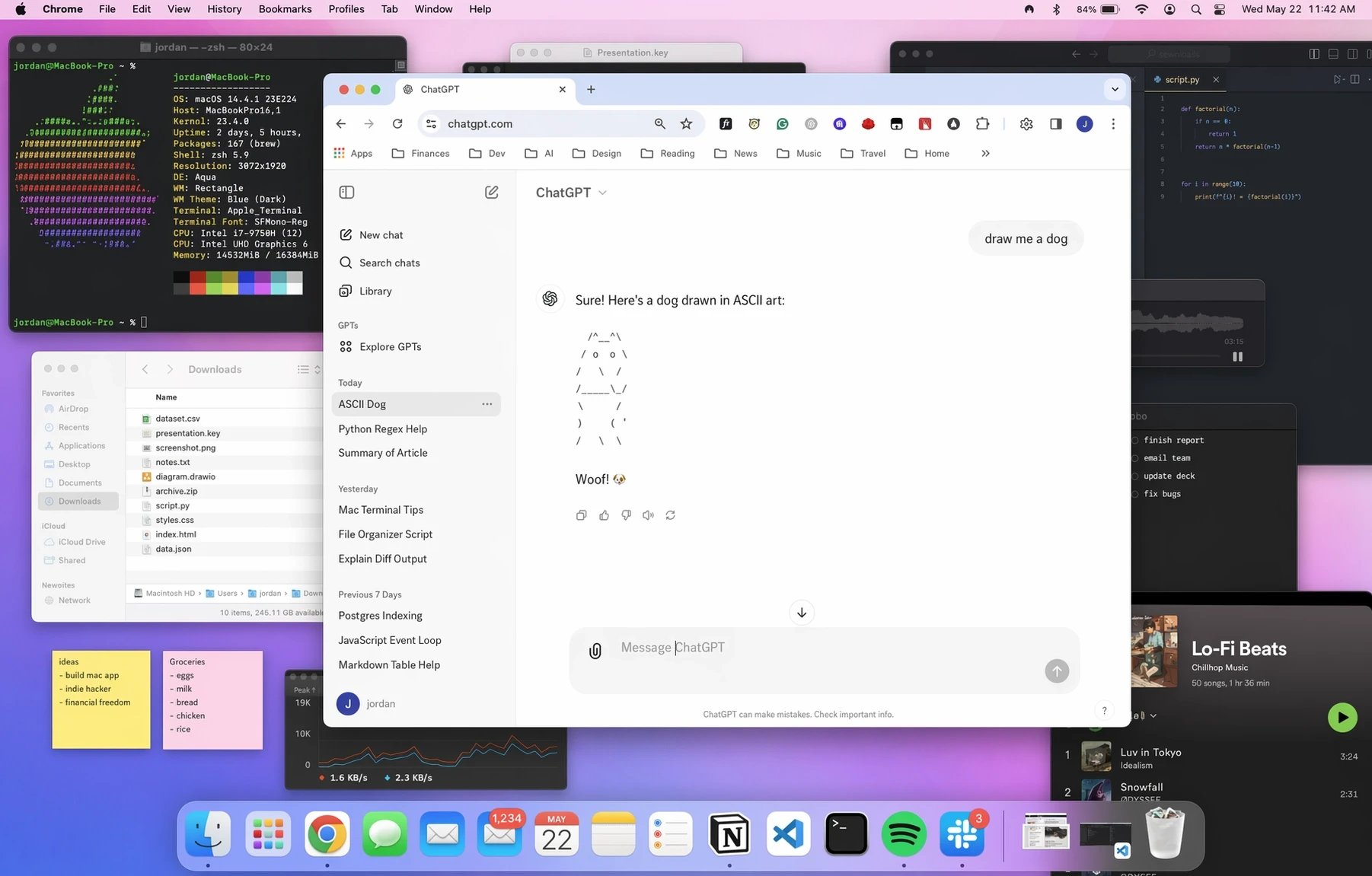
A detailed desktop scene shows a macOS workspace filled with open apps and windows, with ChatGPT centered on screen generating ASCII art, surrounded by coding tools, notes, files, music controls, and productivity apps.
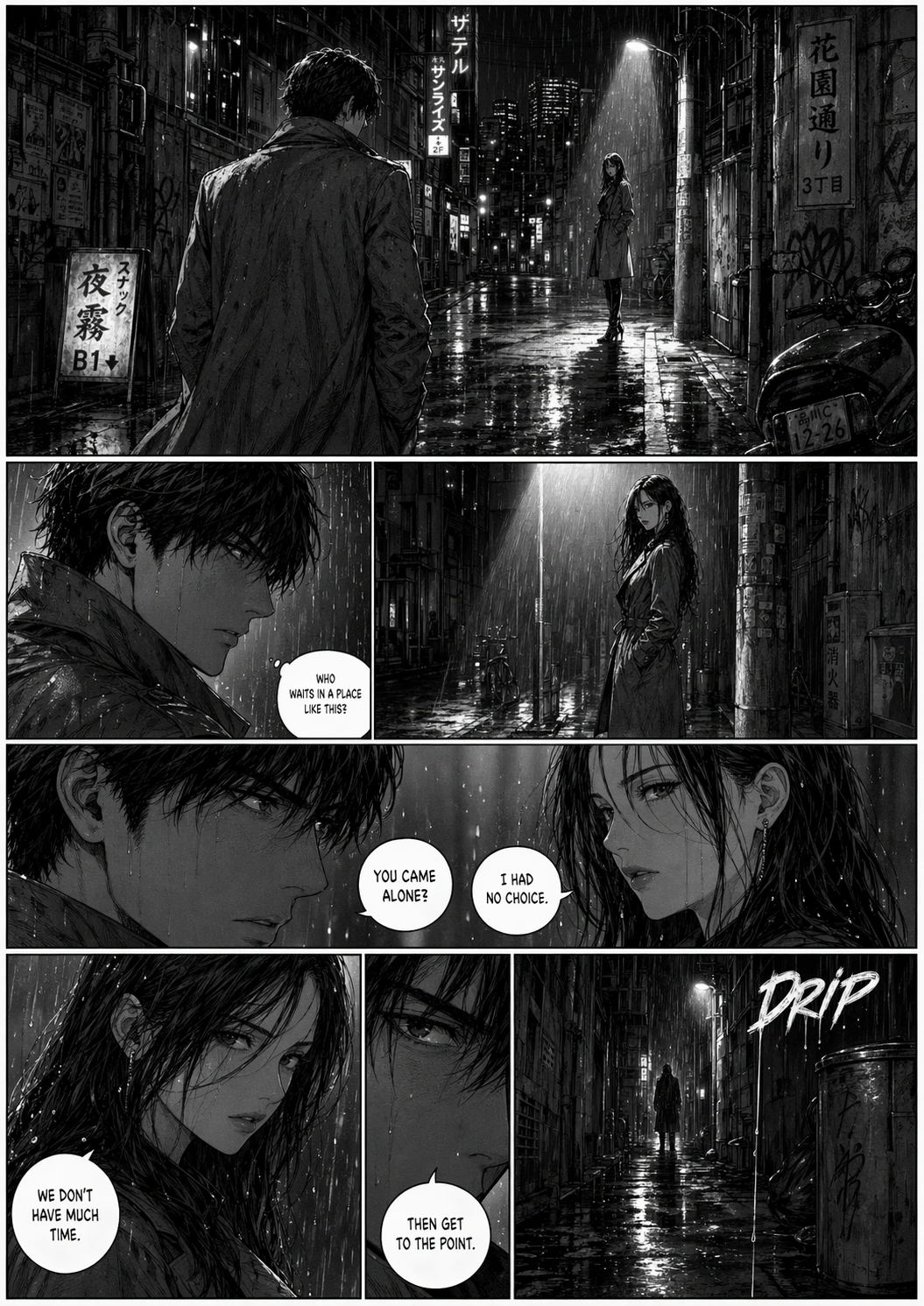
a page of a comic book in the style of Japanese Seinen manga
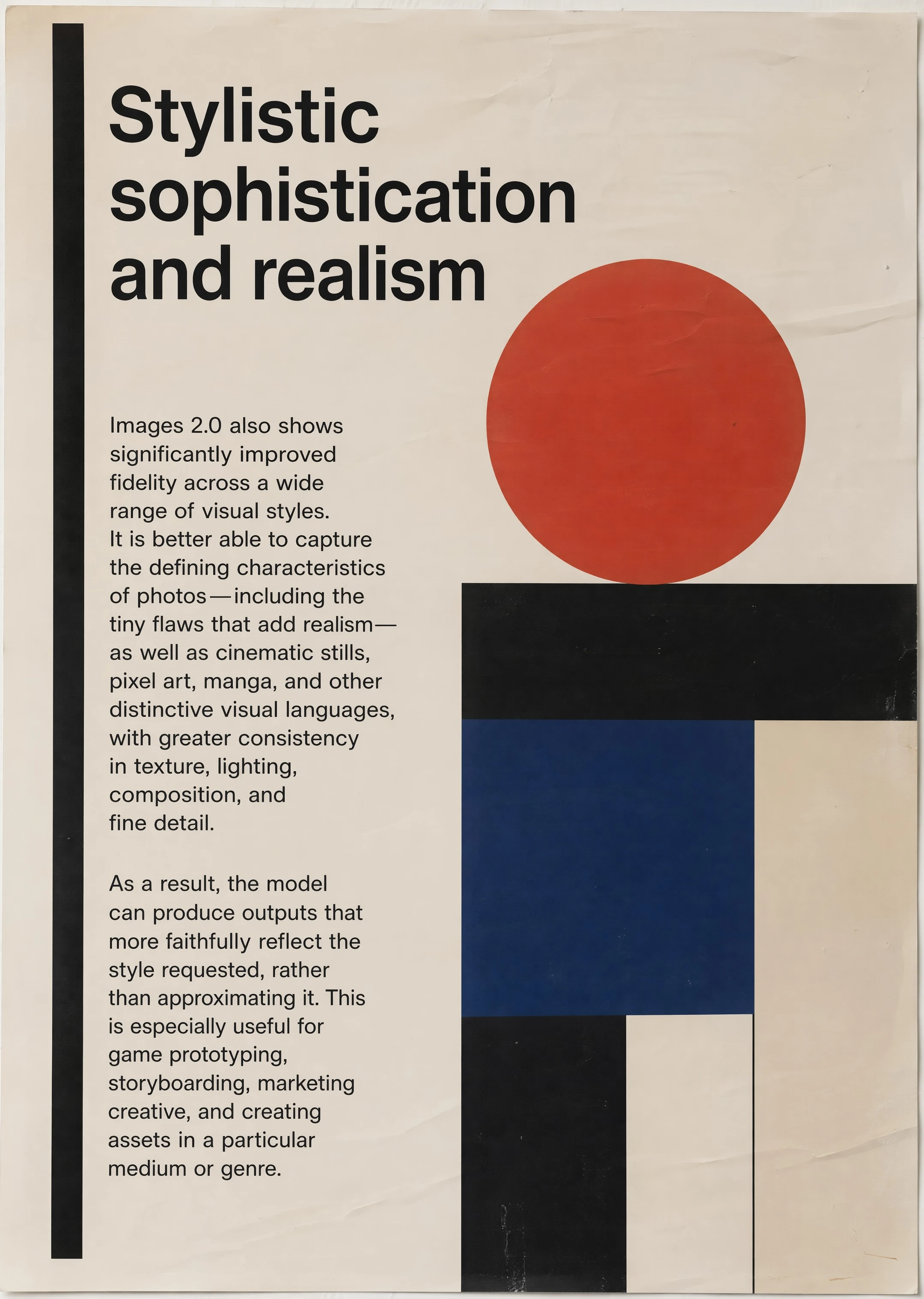
A minimalist editorial poster titled "Stylistic sophistication and realism" uses bold typography and geometric shapes in red, blue, black, and cream to describe improved image generation fidelity across photography, illustration, manga, pixel art, and other visual styles.
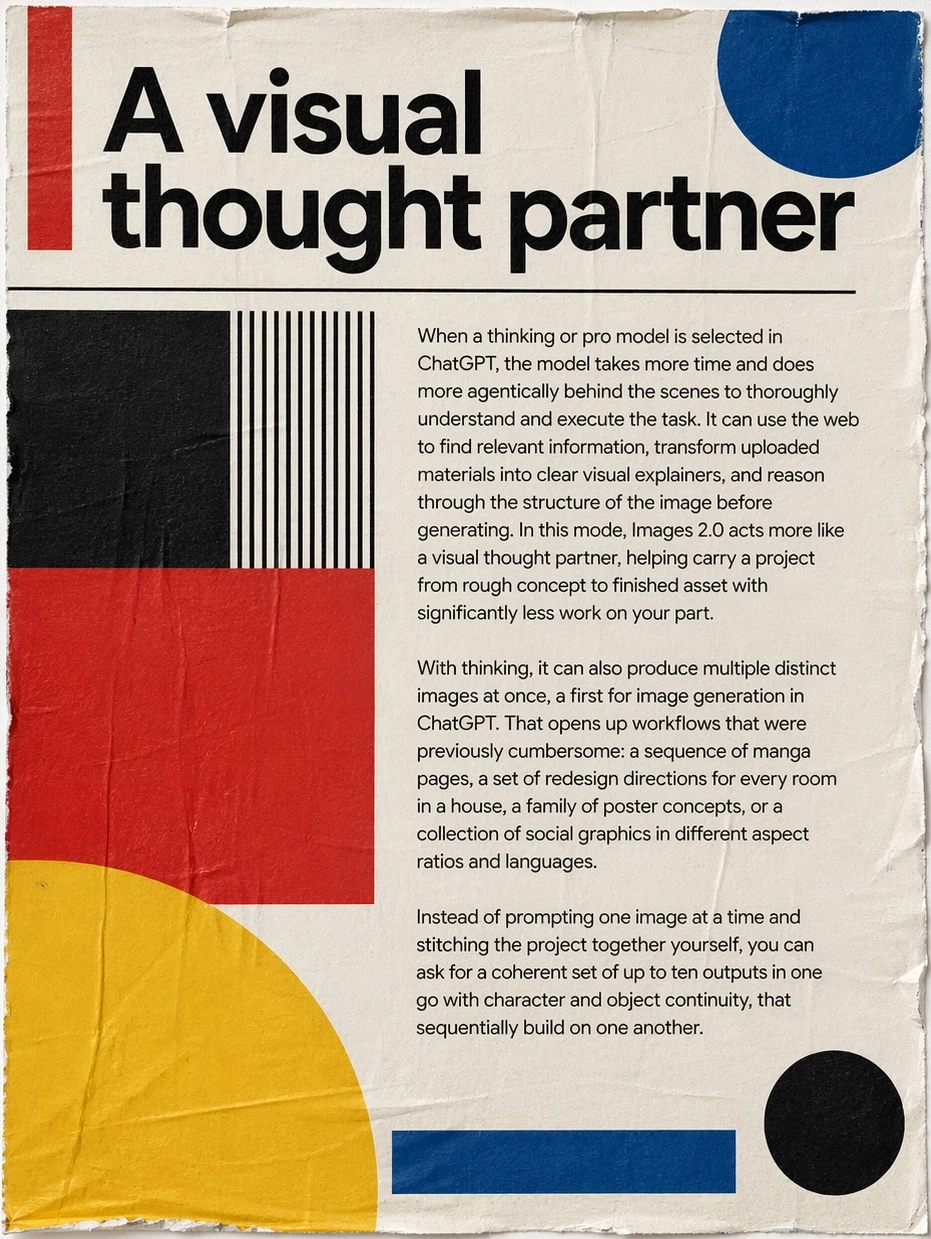
A clean Bauhaus-inspired poster presents the model as a visual thought partner, explaining how a thinking model can research, reason, transform source materials, and generate polished visuals end-to-end—turning rough inputs into cohesive assets with far less manual effort.